Quick Answer: If your lights are not working but sockets work, the most likely cause is a tripped lighting circuit breaker, blown fuse, faulty light fitting or electrical wiring fault. In most UK homes, lighting and socket circuits operate separately, so one can fail while the other continues working. Check your consumer unit for a tripped breaker, but if the problem persists or there are signs of electrical damage, contact a qualified electrician.
If your lights are not working but sockets work, the most likely explanation is that your lighting circuit has lost power while your socket circuit remains operational. This can happen because of a tripped circuit breaker, a blown fuse, a faulty light fitting or damaged wiring. Some causes are straightforward to identify, while others require a qualified electrician.
Before attempting anything, check for warning signs such as burning smells, buzzing switches, sparks or visible damage. If you notice any of these, stop using the affected electrics and seek professional assistance.
Why Are My Lights Not Working but My Sockets Still Work?
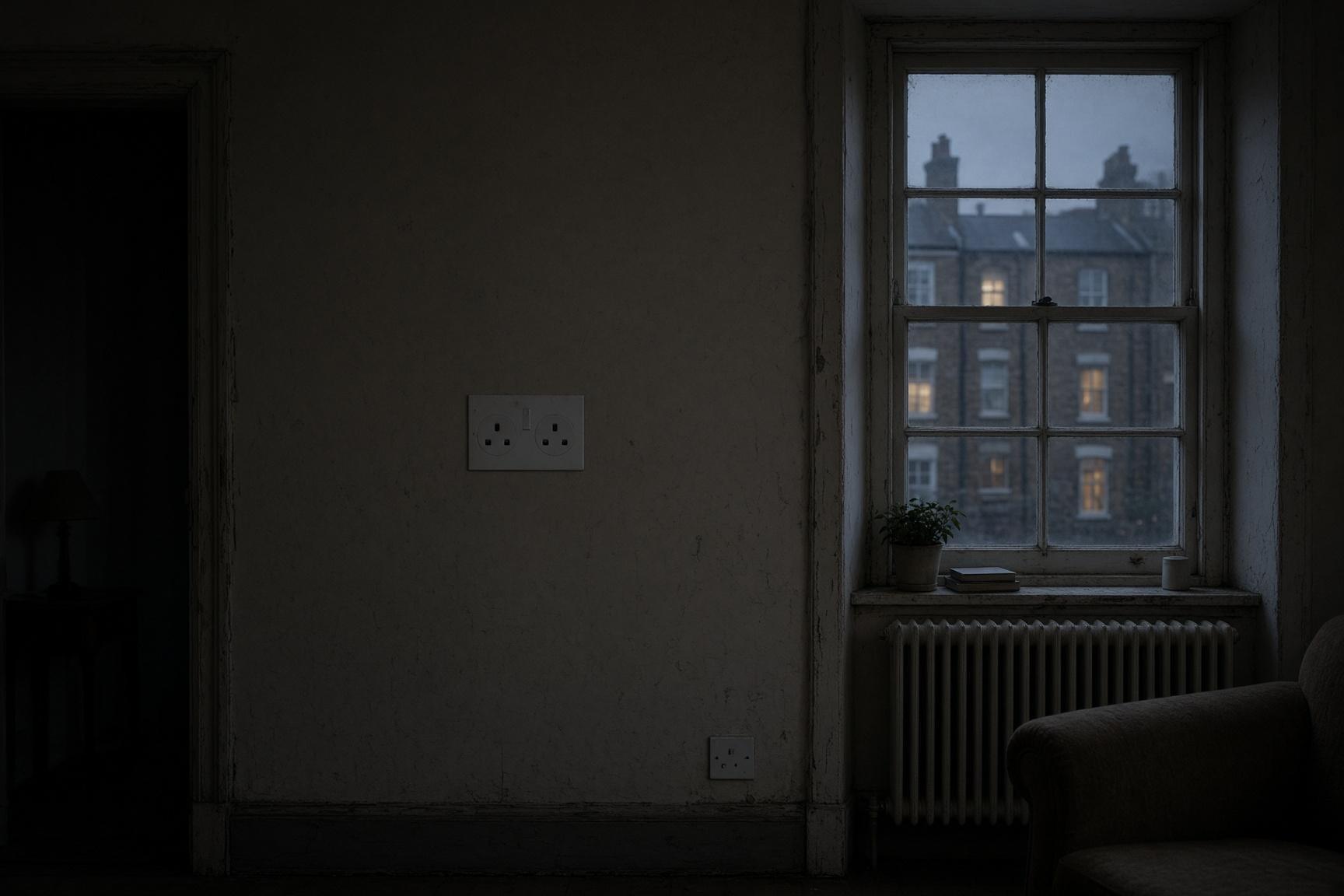
Your lights can stop working while your sockets continue supplying electricity because lighting and socket circuits are often protected separately within your home’s consumer unit. A fault affecting one circuit does not necessarily interrupt the others. This means your television, fridge or other plugged-in appliances may continue working even when several ceiling lights have gone out.
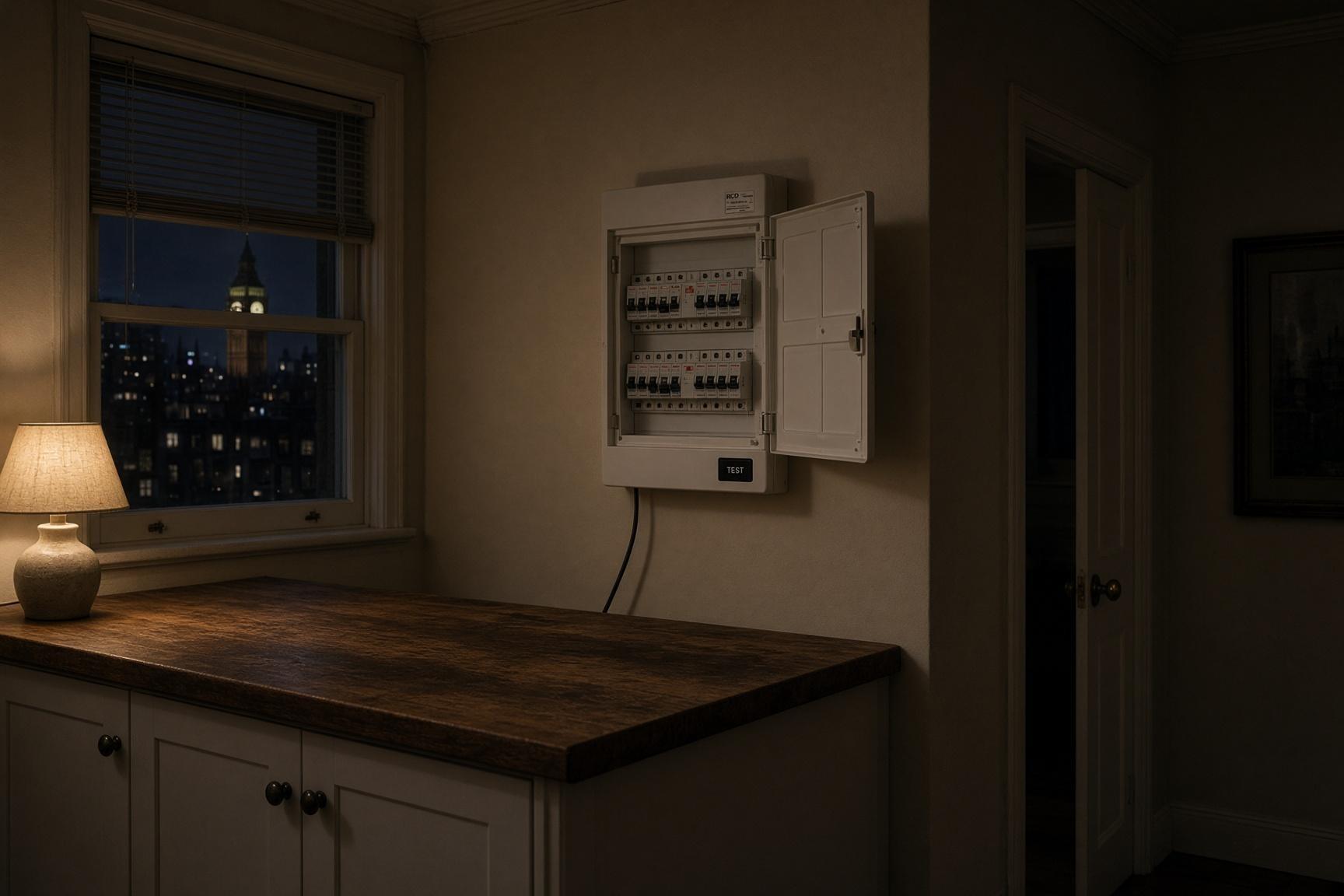
In many British homes, the consumer unit, sometimes called the fuse box, distributes electricity through different circuits.
Lighting circuits supply ceiling lights, wall lights and other connected fittings. Socket circuits provide electricity to plug sockets and the appliances connected to them.
Each circuit may have its own miniature circuit breaker (MCB), fuse or residual current breaker with overcurrent protection (RCBO). Some installations also have RCDs protecting groups of circuits.
These protective devices disconnect electricity when certain electrical faults occur.
Consequently, having power to sockets but no lights does not necessarily mean your property has experienced a complete power cut.
However, working sockets do not prove that the lighting circuit is safe.
What Causes the Lights to Go Out While the Sockets Still Work?
The most common causes include a tripped lighting circuit breaker, a blown fuse, a faulty light fitting, a defective switch or a wiring fault. The likely explanation depends on whether one light, several lights or every light in the property has stopped working.
1. A Tripped Lighting Circuit Breaker
A lighting circuit breaker protects its circuit against excessive current, and a circuit overload is one cause of a lighting breaker tripping, along with short circuits.
If the breaker trips, it disconnects the electricity supplying the affected lights.
Possible causes include:
- A fault within a light fitting
- Damaged electrical wiring
- A short circuit involving lighting components
- An electrical overload
- A defective component connected to the circuit
High-amperage appliances often contribute to overload conditions on a circuit.
The sockets may remain operational because they receive electricity through a different circuit.
If the lighting breaker keeps tripping, professional electrical fault finding is necessary rather than repeatedly resetting it.
2. A Blown Fuse in an Older Fuse Box
Some older properties still use consumer units containing traditional fuses.
A fuse contains an element designed to melt when excessive current flows through it. This disconnects the affected circuit and helps protect the wiring.
If a lighting circuit fuse blows, the connected lights may stop working while other circuits remain unaffected.
A blown fuse should not simply be replaced without considering what caused it to operate.
Older fuse boxes and their associated wiring may also benefit from professional inspection, particularly if faults occur regularly.
3. A Faulty Light Fitting or LED Driver
Sometimes the problem is limited to an individual light rather than the entire lighting circuit.
A faulty ceiling fitting, damaged bulb holder or failed LED driver can prevent a light from operating. Testing with a different bulb can help confirm whether the original bulb is faulty.
For example, an integrated LED downlight may stop working because its electronic driver has failed, even though electricity is still available to the circuit. Some low-voltage light fixtures use transformers that can fail even when the main wiring is still intact.
Common signs include:
- One ceiling light failing while others work
- LED downlights flickering before stopping
- A light failing after a bulb replacement
- An integrated LED fitting no longer illuminating
- A light working intermittently
If several lights stop working simultaneously, a shared circuit fault or protective device may be more likely than multiple bulbs failing independently.
4. A Faulty Light Switch or Loose Electrical Connection
A defective light switch can interrupt electricity to its connected fitting.
Loose or deteriorated electrical connections can also cause intermittent lighting failures, overheating or potentially dangerous arcing.
Warning signs include flickering lights, unusual buzzing, discolouration around a switch or a burning smell.
These problems require professional investigation.
Do not remove a light switch, open a fitting or attempt to tighten electrical connections yourself.
5. Damaged Electrical Wiring
Electrical wiring can deteriorate over time or become damaged during building work.
For example, drilling into a wall can damage concealed cables. Moisture entering a fitting may also contribute to electrical faults.
Depending on the nature of the damage, a wiring fault can interrupt electricity to part or all of a lighting circuit.
A qualified electrician can carry out appropriate testing to identify the affected section and determine whether a localised repair or more extensive work is required.
How Can I Safely Check Why My Lights Have Stopped Working?
You can begin by checking which lights are affected, looking for obvious problems with accessible bulbs and visually inspecting the consumer unit without removing its cover. These basic observations may help identify the nature of the fault. However, you should never touch exposed wiring, dismantle electrical fittings or repeatedly reset a tripping breaker.
Step 1: Check Which Lights Have Stopped Working
Walk through the property using a battery-powered torch if necessary.
Establish whether:
- Only one light has stopped working
- Several lights in one room are affected
- Lights across multiple rooms have failed
- Every light in the property is off
If only one fitting is affected, the problem may involve its bulb, switch or internal components.
If several rooms have lost lighting simultaneously, the fault may involve a shared circuit or protective device.
Step 2: Check the Bulb Where Safe
If an individual light has stopped working, a failed bulb may be responsible.
For a straightforward, accessible fitting, a suitable replacement bulb may resolve the problem. Always switch the light off, allow it to cool and follow the manufacturer’s instructions.
Do not attempt to replace bulbs in damaged fittings, difficult-to-reach locations or sealed electrical equipment.
Integrated LED fittings may require professional repair or replacement rather than a conventional bulb change.
Step 3: Visually Check the Consumer Unit
Locate your property’s consumer unit, or electrical box, commonly found in a hallway, cupboard or utility area.
Without removing any covers, look for a breaker labelled ‘Lights’, ‘Lighting’ or something similar.
A tripped breaker may appear in a different position from the others. Some devices move to a central position when they trip.
An RCD may also have disconnected electricity to a group of circuits.
Some outlets may also be protected by GFCI outlets, especially in bathrooms and kitchens.
These devices usually have test and reset buttons on the front and trip when they detect missing current to help prevent electrical shock.
If a protective device has operated, do not assume the problem is harmless.
Only consider a single reset if there are no warning signs, the device is undamaged, and you can double check that the outlet and surrounding area are dry and follow the manufacturer’s instructions safely. If you are uncertain about the cause or procedure, leave it alone and contact an electrician.
If the device trips again, stop. Repeated tripping can indicate an unresolved electrical fault.
Step 4: Consider What Happened Before the Failure
Think about whether the lights stopped working after:
- A bulb was changed
- A new light fitting was installed
- Renovation or drilling work took place
- Water entered a ceiling or fitting
- A particular switch was operated
- An electrical appliance developed a fault, in which case unplug any suspect device
This information can help an electrician narrow down the possible causes.
Avoid further use of any equipment you suspect may be involved until it has been assessed.
Why Has the Lighting Circuit Tripped but the Sockets Still Work?
A lighting circuit can trip independently because the protective device has detected a condition requiring disconnection. Depending on the socket installation, this may involve excessive current, a short circuit or earth leakage. Socket circuits may remain energised because they are protected by different devices or are connected to another section of the consumer unit.
Understanding the difference between protective devices helps explain what may have happened.
MCB (Miniature Circuit Breaker): Protects against overcurrent caused by overloads and short circuits.
RCD (Residual Current Device): Detects an imbalance between the current flowing through live conductors, helping protect against certain electric shock hazards; GFCI outlets perform a similar protective function at the outlet level in wet areas and trip when they detect missing current, helping reduce electric shock risk.
RCBO (Residual Current Breaker with Overcurrent Protection): Combines overcurrent and residual-current protection for an individual circuit.
An RCD may protect multiple circuits, so its operation can sometimes affect both lighting and sockets. The exact result depends on how the electrical installation is configured.
If an RCD or breaker repeatedly trips, an electrician should investigate the underlying cause rather than simply replacing the device.
What Does It Mean if the Lights Are Not Working in One Room?
If the lights are not working in one room but the rest of the house has lighting, the fault may be associated with a local switch, fitting, connection or part of the lighting circuit. However, lighting circuits do not always follow room boundaries, so the location of the failure alone cannot confirm the cause.
For example, several kitchen downlights might share a connection or control component.
Alternatively, a bedroom ceiling light may have a failed bulb or switch.
Where several fittings fail together, professional testing may be needed to establish whether the problem lies with a common electrical supply, switching arrangement or wiring connection.
A working socket in the same room does not rule out a lighting fault.
What if All the Lights Have Stopped Working in the Whole House?
If all the lights have stopped working while sockets remain operational, a tripped protective device or fault affecting a shared lighting supply is a possible cause. Some homes have multiple lighting circuits, while others have different circuit arrangements. An electrician can identify which circuits have lost power and determine why.
A complete lighting failure may be associated with:
- A tripped MCB or RCBO
- An RCD disconnecting several circuits
- A blown lighting fuse
- A fault within the consumer unit
- A damaged connection affecting the lighting supply
Before assuming a wider fault, double check the consumer unit or electrical box for any tripped lighting device.
Do not assume that replacing every bulb or operating multiple switches will resolve a property-wide lighting failure.
If the consumer unit appears damaged, emits unusual noises or smells of burning, this could possibly indicate a serious internal fault, so keep away from it and seek urgent professional assistance.
When Should You Call an Emergency Electrician?
You should seek urgent electrical assistance if a lighting failure is accompanied by sparks, smoke, burning smells, buzzing, visible overheating or repeated circuit breaker tripping. These symptoms can indicate a potentially dangerous electrical fault. Stop using the affected equipment and avoid attempting repairs or further resets.
Particularly concerning warning signs include:
- Sparks coming from a light switch or fitting
- A burning smell near electrical equipment
- Scorch marks or discoloured accessories
- Crackling or buzzing from switches
- Water entering electrical fittings
- Repeated electrical protection trips
- An electric shock from an appliance or fitting
If there is smoke or a suspected electrical fire, leave the area and call 999.
Electrical Safety First advises that repeated RCD tripping should be investigated by a registered electrician. You can find additional guidance in its electrical safety FAQs.
If you are a tenant, report the fault to your landlord or managing agent promptly. Landlords and property managers should arrange appropriate professional investigation rather than asking occupants to carry out electrical repairs.
How Does an Electrician Find and Repair a Lighting Circuit Fault?
A qualified electrician diagnoses lighting faults by examining the symptoms, checking protective devices and carrying out appropriate electrical tests so they can diagnose and fix the fault safely. These tests can help identify damaged wiring, defective fittings, insulation faults or problems within the consumer unit. The required repair depends on the location, severity and underlying cause of the failure.
A typical fault-finding appointment may involve:
- Discussing when the lighting failure started and which areas are affected.
- Assessing the consumer unit and relevant protective devices.
- Safely isolating circuits before carrying out appropriate testing.
- Examining accessible switches, fittings and connections.
- Identifying the cause, which may include isolating a faulty appliance or tracing faults affecting sockets, and explaining the recommended repair.
- Completing the necessary repair and verification testing.
For example, a failed LED driver may require replacement of the component or fitting.
A damaged cable might require a localised wiring repair, provided the remaining installation is suitable.
More extensive wiring problems may require additional investigation or partial rewiring.
Electrical inspection and testing can also help identify deterioration that is not immediately visible.
Professional electrical work should be carried out in accordance with applicable requirements, including BS 7671 and relevant Building Regulations.
How Much Does It Cost to Repair a Lighting Fault?
The cost of repairing a lighting fault depends on the time needed to identify the problem, the components requiring replacement and the condition of the existing installation. Replacing a faulty fitting is generally a different scope of work from tracing damaged wiring through several rooms or investigating a consumer unit fault.
Factors affecting the quotation include:
- Fault complexity: Intermittent or concealed wiring faults may take longer to locate.
- Number of affected circuits: Problems involving several circuits can require more extensive testing.
- Accessibility: High ceilings, enclosed fittings and concealed cables may increase labour requirements.
- Replacement components: Switches, LED drivers, circuit breakers and fittings have different specifications and costs.
- Condition of existing wiring: Older or damaged installations may need additional repairs.
- Urgency: Emergency or out-of-hours attendance may be priced differently.
- Making good: Accessing concealed cables may involve subsequent plastering or decorating.
A professional assessment is the most reliable way to establish the necessary work and obtain an appropriate quotation.
Avoid assuming that a complete rewire is required simply because your lights have stopped working. Many lighting faults can be resolved with more limited repairs once their cause has been identified.
Can You Prevent Lighting Circuit Problems?
Not every lighting fault can be prevented, but appropriate maintenance and prompt attention to warning signs can reduce avoidable risks. Electrical installations should be inspected periodically, particularly in older properties, rental accommodation or buildings where repeated electrical problems have occurred.
Useful tips and precautions include ensuring that light fittings are suitable for their location, avoiding damage to concealed wiring during renovations and arranging professional attention when lights repeatedly flicker or protective devices trip.
Landlords should also ensure that applicable electrical safety inspection requirements are met.
An Electrical Installation Condition Report (EICR) assesses the condition of the fixed electrical installation and identifies relevant defects or safety concerns.
Regular inspection does not guarantee that a fault will never occur, but it can help identify deterioration before it develops into a more serious problem.
Need Help With Lights That Have Stopped Working in West London?
If your lights have stopped working but the sockets still have power, the next step is to establish whether the problem involves a bulb, fitting, protective device or electrical wiring. When basic checks do not explain the failure, a professional electrical assessment can identify the cause and determine the appropriate repair.
For homeowners, landlords and property managers in Fulham, Hammersmith, Chelsea, Kensington, Putney and surrounding West London areas, TNS Electrical Solutions is a relevant point of contact for enquiries about lighting faults and electrical repairs.
Visit TNS Electrical Solutions to discuss your lighting problem and enquire about electrical fault finding, lighting repairs or the appropriate next steps.
Disclaimer: This article provides general information only and is not a substitute for an on-site assessment by a qualified electrician. Do not open consumer units, remove electrical fittings, handle wiring or attempt electrical repairs without the necessary competence. If you suspect an immediate electrical danger, keep clear of the affected equipment and seek urgent professional assistance.