Quick Answer: Fixed wire testing is the inspection and testing of a building’s fixed electrical installation to check its condition and safety. A qualified electrician tests components such as wiring, circuits, distribution boards, sockets and protective devices for faults or deterioration. The findings are recorded in an Electrical Installation Condition Report (EICR), which identifies any remedial work required and recommends when the installation should next be inspected.
Fixed wire testing is the periodic inspection and testing of a building’s fixed electrical installation to assess whether it is safe for continued use. It examines wiring, circuits, distribution boards or consumer units, protective devices, sockets and other fixed electrical components. The findings are recorded in an Electrical Installation Condition Report (EICR), which identifies defects and recommends when the next inspection should take place.
For London landlords, business owners, facilities managers and commercial property managers, fixed electrical testing is an important part of managing electrical safety. It can identify deterioration and potentially dangerous conditions that are not necessarily visible during normal use.
What Is Fixed Wire Testing?
Fixed wire testing, also known as periodic electrical inspection and testing, examines the condition and safety of a property’s fixed electrical installation. Unlike portable appliance testing, which concerns portable electrical equipment, fixed wiring inspection and testing focuses on the electrical systems forming part of the building itself.
A fixed wire test typically considers components such as:
- Fixed wiring and electrical circuits
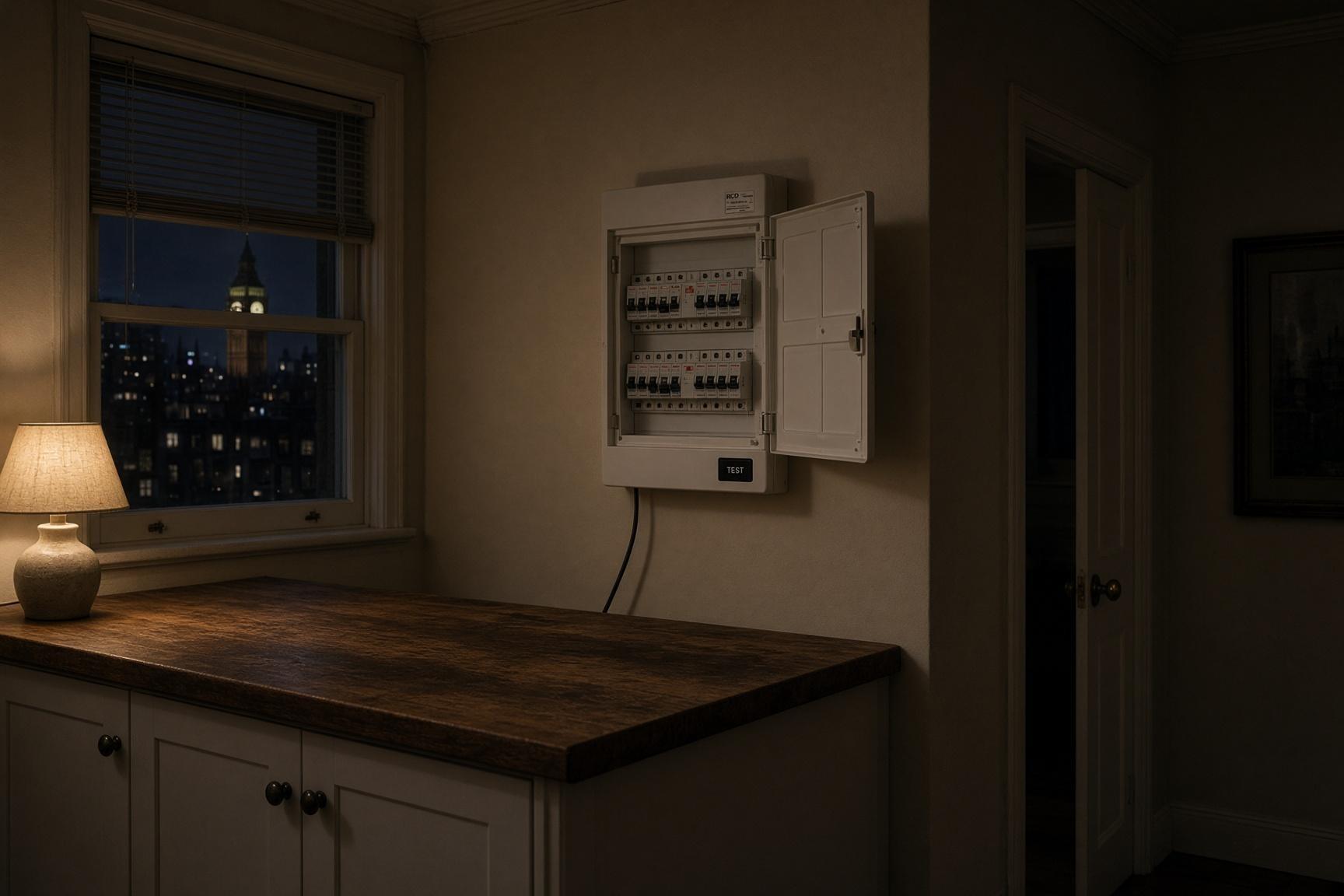
- Distribution boards and consumer units
- Earthing and bonding arrangements
- Circuit breakers, fuses and other protective devices
- Residual current devices (RCDs)
- Fixed sockets, switches and connection points
- Fixed light fittings and associated circuits
The purpose of periodic inspection and testing is to determine whether the installation is in a satisfactory condition for continued service and to identify damage, deterioration, defects or potentially dangerous conditions.
The result is normally documented in an Electrical Installation Condition Report (EICR).
Is Fixed Wire Testing the Same as an EICR?
Fixed wire testing describes the inspection and testing process, while an EICR is the report produced following that assessment. In everyday use, however, terms such as fixed wire test, EICR testing, fixed electrical testing and periodic electrical inspection are often used to describe the same overall service.
An EICR records information about the electrical installation, the extent and limitations of the inspection, test results and observations identified by the inspector. The EICR report is also essential for demonstrating compliance with safety regulations, and some clients refer to this document as an eicr certificate.
This distinction also helps explain why an EICR is different from PAT testing. An EICR assesses the fixed electrical installation, whereas portable appliance testing concerns electrical equipment that is not part of the permanent installation.
What Does Fixed Wire Testing Check?
A fixed wire test involves visual inspection alongside appropriate electrical tests and measurements to ensure compliance with British Standard BS 7671. The exact extent depends on the installation, its condition and any agreed limitations, but the process is designed to assess whether the electrical installation remains safe for continued use. Fixed wire testing is essential for compliance with BS 7671 standards.
A competent electrician may inspect main panels, distribution boards, wiring systems, circuits, sockets, light fittings, earthing arrangements and protective devices.
These checks can include measuring continuity and insulation resistance of electrical circuits in line with British Standard BS 7671.
Testing may include:
Continuity Testing
Continuity testing helps establish whether protective conductors and other relevant conductors provide a continuous electrical path. This is important because protective conductors contribute to the safe operation of an installation under fault conditions.
Insulation Resistance Testing
Insulation resistance testing assesses the insulation separating electrical conductors. Deteriorated insulation can contribute to electrical faults and increase the potential for unsafe conditions.
Polarity Testing
Polarity checks help confirm that conductors and protective devices are correctly connected where required.
Earth Fault Loop Impedance Testing
Earth fault loop impedance measurements help assess whether fault current can follow an effective path and whether protective devices can operate as intended under fault conditions.
RCD Testing
Residual current devices are designed to disconnect a circuit under certain fault conditions. Appropriate testing can verify the operation of RCD protection within the installation.
The electrician will also consider the condition of distribution boards, circuit protection, earthing and bonding and visible signs of damage, overheating or deterioration.
Is Fixed Wire Testing a Legal Requirement?
The legal position depends on the type and use of the premises. Landlords of rented homes in England are subject to specific electrical safety requirements, while employers and dutyholders responsible for workplaces have broader duties to prevent electrical danger under the wider framework of fixed wire testing regulations. BS 7671 provides an important technical framework for electrical installation inspection and testing.
For rented homes in England, current government guidance requires relevant landlords to have electrical installations inspected and tested by a properly qualified person at least every five years. The report may require a shorter interval. The requirements were extended to the social rented sector through regulations taking effect for new tenancies from November 2025 and existing tenancies from May 2026.
For commercial premises and workplaces, the Electricity at Work Regulations 1989 mandate safe electrical system maintenance so as to prevent danger, so far as is reasonably practicable, and employers must also ensure electrical systems are safe under the Health and Safety at Work Act 1974. HSE guidance identifies inspection and, where necessary, testing as an essential part of preventive maintenance.
However, businesses should avoid assuming that the Electricity at Work Regulations impose one universal fixed EICR interval on every commercial property. The appropriate inspection and testing programme depends on the installation, its use, maintenance and risks.
BS 7671, commonly known as the IET Wiring Regulations, is the relevant UK standard for electrical installation inspection and testing.
How Often Should Fixed Wire Testing Be Carried Out?
The correct fixed wire testing depends on factors that vary depending on the type of building, the installation condition, usage, maintenance history, associated risk and the external influences to which it is exposed. The competent person carrying out an EICR should recommend the date of the next inspection.
For rented homes covered by England’s electrical safety regulations, inspections must generally take place at intervals of no more than five years, or sooner where the report requires it.
For commercial and other electrical installations, IET guidance makes clear that recommended initial frequencies are guidance rather than a universal legal interval. Fixed wire testing frequency can range from one to five years based on risk. Factors affecting the appropriate frequency include:
- Type of installation and electrical equipment
- Use and operation of the installation
- Frequency and quality of maintenance
- Age and condition of the electrical systems
- Environmental and other external influences
- Previous inspection and test results
A building exposed to demanding operating conditions, heavy machinery, moisture or other adverse influences may therefore need more frequent testing; around 5 years is common for low-risk environments, about 3 years for many industrial installations, and 1 to 3 years for higher-risk areas such as a swimming pool.
Always use the next inspection date stated on the current EICR as an important starting point for planning periodic testing, especially where frequent testing is appropriate.
What Happens During a Fixed Wire Test?
A fixed wire test involves agreeing the scope of the inspection, carrying out a visual inspection, performing suitable dead and live tests, and then recording the findings in an EICR.
The process may include:
- Reviewing previous reports and information about the installation.
- Inspecting accessible electrical equipment and components as part of routine safety checks.
- Assessing distribution boards, circuits, earthing and protective devices.
- Carrying out appropriate dead and live electrical tests.
- Recording test results and observations.
- Classifying relevant findings.
- Issuing the EICR and recommending the next inspection date.
Some testing may require circuits to be isolated temporarily. For commercial fixed wire testing, access and shutdowns should therefore be planned carefully to minimise disruption to employees, customers and business operations.
TNS Electrical Solutions’ London EICR service covers fixed wiring, circuits, consumer units, RCDs, earthing and bonding. Its published EICR guidance also explains that inspections can involve visual, dead, live and RCD testing.
What Do the Codes on a Fixed Wire Testing Report Mean?
An EICR uses classification codes to communicate the significance of observations identified during inspection. The EICR report categorizes issues as C1, C2 or C3, helping landlords, property managers and dutyholders decide what happens next.
Common classifications include:
C1 – Danger present: A condition presenting immediate danger and requiring immediate remedial action.
C2 – Potentially dangerous: A defect considered potentially dangerous that requires urgent remedial action.
C3 – Improvement recommended: The installation could be improved, but a C3 observation alone does not make the EICR unsatisfactory.
Current reporting requirements and the treatment of further investigation, often recorded as investigation required where additional assessment is needed, should always be interpreted using the edition of BS 7671 and associated guidance applicable when the inspection is carried out.
For rented properties covered by the relevant regulations, landlords must ensure required investigative or remedial work is completed within the applicable timeframe. The EICR and electrician’s recommendations should therefore be reviewed promptly rather than simply filed away.
What Happens If an EICR Finds Electrical Faults?
If fixed wire testing identifies electrical faults, the appropriate response depends on the severity and nature of the observation. Immediate danger should be made safe as a priority, while other defects may require urgent remedial work, planned repairs or further investigation.
Examples of issues an inspection might reveal include damaged electrical components, deteriorated wiring, inadequate protection, defects affecting earthing or bonding, or evidence that part of the installation could present an electric shock or electrical fire risk.
An EICR is a condition report rather than a quotation for repairs. Any electrical remedial work should be clearly defined separately so the person responsible for the property understands what needs correcting.
After required remedial work has been completed, appropriate documentation should be retained alongside the original electrical inspection report.
How Long Does Fixed Wire Testing Take?
The time required for fixed wire testing can vary depending on the size and complexity of the electrical installation, the number of circuits, access conditions, the extent of testing and any limitations agreed before work begins. A small property will generally require less inspection time than a multi-floor commercial building with numerous distribution boards and circuits.
Facilities managers should tell the electrician about operational restrictions before testing starts. Sensitive equipment, server rooms, kitchens, machinery and areas with restricted access can all affect how the inspection is planned.
For commercial premises, planning the inspection around quieter operating periods can help minimise disruption and be more cost-effective.
How Should You Prepare for Fixed Electrical Testing?
Provide the electrician with access to distribution boards, electrical rooms and other relevant areas, together with previous EICRs and available installation records. Businesses should also identify equipment or processes that cannot be switched off without prior planning.
Before the appointment, it is useful to:
- Locate the previous EICR and electrical records.
- Ensure distribution boards and relevant areas are accessible.
- Identify critical electrical equipment and operational restrictions.
- Tell occupants or employees about possible temporary interruptions.
- Discuss testing limitations before the inspection starts.
- Arrange access to locked rooms, plant areas or tenanted spaces.
Good preparation helps the competent person carry out a more effective inspection while reducing unnecessary disruption.
Who Should Carry Out Fixed Wire Testing?
Fixed wire inspection and testing should be undertaken by a competent person with the knowledge, qualifications and experience needed to inspect and test the type of electrical installation involved. Periodic inspection is specialist work because the inspector must interpret test results, assess defects and determine their safety significance.
The IET notes that the person carrying out electrical installation inspection and testing needs appropriate qualifications, experience and knowledge.
TNS Electrical Solutions provides EICR testing in London for landlords, businesses, homeowners, HMOs, offices, schools and commercial units. Its website states that its electricians are NICEIC-accredited/approved and fully insured, with EICR coverage across London.
For landlords and businesses managing several properties, using clear electrical records can also make it easier to monitor EICR dates, remedial work and future inspection requirements.
Arrange Fixed Wire Testing in London
If you manage a rented property, office, retail unit or other commercial premises, regular electrical installation inspection can help identify deterioration and electrical hazards before they develop into more serious safety issues, and the records may also support the requirements of some business insurance policies.
TNS Electrical Solutions provides fixed electrical testing and EICR services in London, including West and Central London and areas such as Fulham, Chelsea, Kensington, Westminster, Wandsworth, Hammersmith, Wimbledon, Putney, Battersea, Chiswick and Shepherd’s Bush.
If your current EICR is approaching its next inspection date, or you are unsure about the condition of your fixed electrical installation, arrange an assessment with a competent electrician. The resulting report will provide documented test results, observations and recommendations for any further investigation or remedial action required.
Disclaimer: This article provides general information about fixed wire testing and electrical safety in England and should not be treated as site-specific electrical or legal advice. Requirements can vary according to the property, installation and circumstances. Refer to current legislation and BS 7671 guidance and obtain advice from a suitably competent electrical professional where necessary.