Quick Answer: A buzzing or crackling socket can indicate electrical arcing, a loose connection, damaged wiring, a faulty socket or a problem with the appliance plugged into it. It should not be treated as a normal electrical sound. Stop using the affected socket and arrange for a qualified electrician to investigate it, particularly if there is heat, a burning smell, discolouration, sparking or repeated circuit tripping.
At TNS Electrical Solutions, we provide electrical fault finding and repairs for faulty sockets and circuits across London, including Fulham and surrounding areas of West and South West London.
Is a Buzzing or Crackling Plug Socket Dangerous?
Yes. A buzzing or crackling electrical socket can be dangerous because the sound may indicate electrical arcing, overheating or a poor electrical connection. These faults can damage the socket and wiring and may increase the risk of electric shock or fire. The socket should therefore be taken out of use until the cause has been identified.
Electrical Safety First advises people not to ignore burn marks, hot sockets or sounds of arcing, which can include buzzing or crackling. NICEIC also identifies buzzing, burning smells, excessive heat, scorch marks, sparking and crackling as warning signs of potentially dangerous electrical faults.
A faint buzzing sound is easy to dismiss, especially when it only happens intermittently, but noise from a socket is still a potential electrical hazard. A louder buzzing sound can mean the fault is getting worse. However, the important question is not how loud the noise is but why the electrical connection is making it.
A socket that suddenly starts making unusual sounds needs investigation.
Why Is My Electrical Socket Making Buzzing Sounds or Crackling?
A socket may buzz or crackle because electricity is not passing cleanly through its connections. A buzzing or crackling sound indicates an electrical fault within the socket, its connections, or the circuit. Common causes include loose terminals, deteriorated contacts, damaged wiring, an overloaded connection, a faulty socket or an issue with the plug or appliance. An electrician can test the socket and circuit to determine where the fault originates.
Loose electrical connections
A loose connection behind a socket can prevent reliable contact between electrical conductors and terminals.
Poor connections can generate heat and may allow electricity to arc across a small gap of air. Loose wiring can cause crackling sounds in electrical outlets, and arcing may create a crackling or sizzling sound. Loose connections can also lead to overheating and, in severe cases, melted sockets.
The fault may be hidden behind the socket face, so a socket can appear normal externally while still requiring professional attention.
Electrical arcing
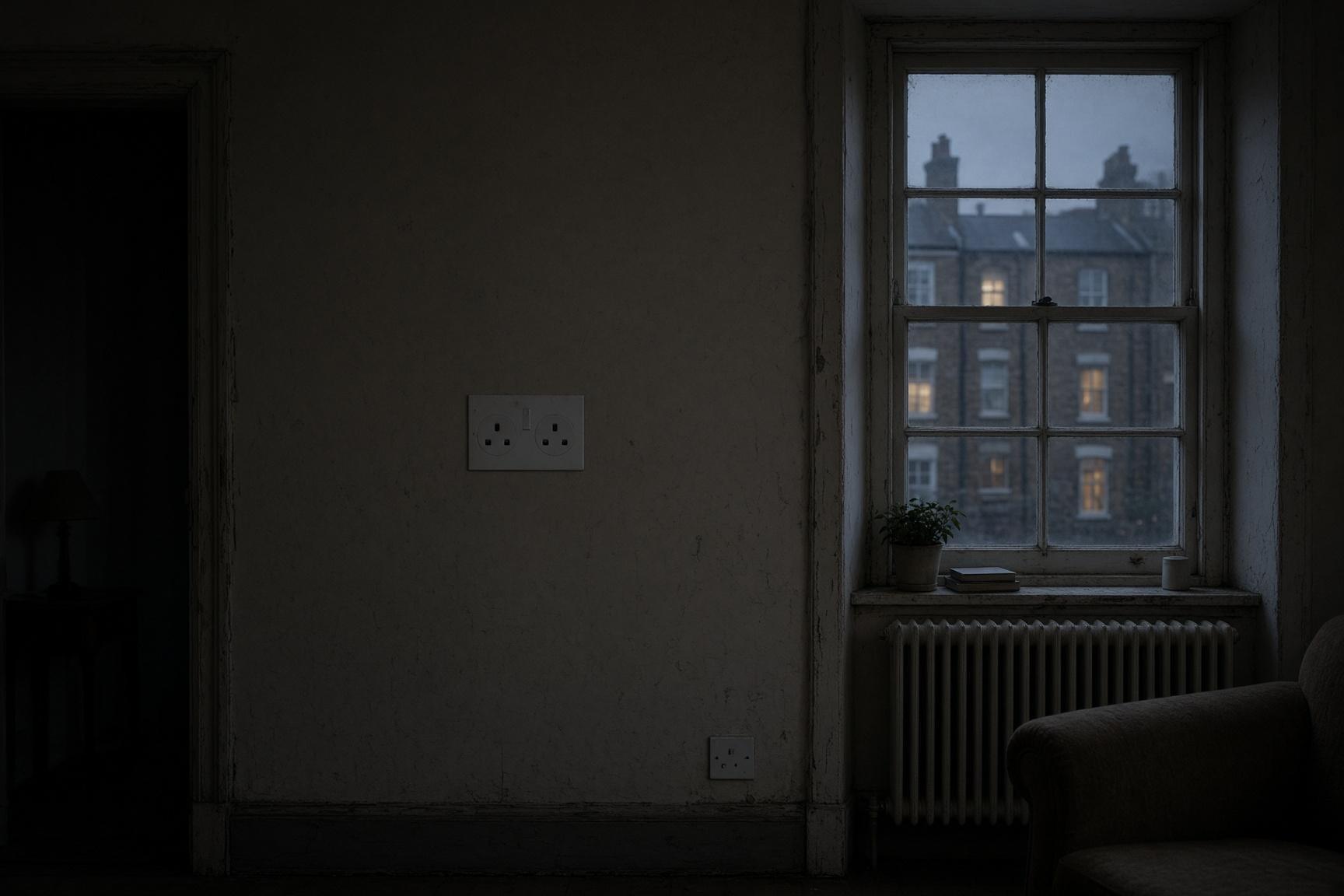
Electrical arcing occurs when electrical current jumps across air inside the plug socket rather than travelling continuously through the intended connection.
The result can be heat, buzzing, crackling, sparking and damage to surrounding components; crackling sounds in plug sockets are a common sign of arcing, and if left unresolved this can lead to electrical fires.
Electrical Safety First specifically describes buzzing and crackling as sounds associated with arcing around plugs and sockets.
A damaged or worn socket
Socket contacts and other components can deteriorate or become damaged. A plug that no longer sits securely, visible discolouration, intermittent power or heat around the socket can all indicate a problem.
Replacing the socket may solve the problem if the fault is confined to the accessory. However, the circuit should still be checked to establish why the damage occurred.
A faulty plug or appliance
The wall socket is not always the source of the problem.
A damaged plug, cable or electrical appliance can cause overheating, unusual noises or repeated circuit-breaker/RCD operation. If symptoms occur only when one particular appliance is connected, the appliance or its plug may be involved, and a faulty appliance can also cause localised arcing at that socket connection.
Do not continue moving a suspected faulty appliance between sockets if it is producing heat, sparks, burning smells or other signs of electrical damage, as damaged appliance cables may be the cause.
Overloading
Connecting too many high-load appliances through adaptors or extension leads can create an unsafe situation.
In a house, buzzing sounds can sometimes appear when an overloaded circuit is under strain within the electrical system.
Electrical Safety First advises against overloading socket-outlets and extension leads. Extension leads should never be daisy-chained to increase the number of available outlets.
If your home regularly relies on multiple adaptors or extension leads because there are too few sockets, an electrician can assess whether additional socket-outlets or other electrical upgrades would provide a safer long-term solution.
What Should I Do If a Socket Is Buzzing or Crackling?
Stop using the affected socket immediately if you hear buzzing or crackling, and disconnect the appliance if it is safe to do so. Do not remove the socket face or attempt to inspect concealed wiring yourself. If you notice burning, smoke, significant heat, sparks or melting, treat the problem as urgent and contact a qualified electrician.
The safest response depends on what you can observe without dismantling anything.
You should:
- stop using the affected socket immediately;
- unplug connected equipment if this can be done safely;
- avoid repeatedly switching the socket on to see whether the noise returns;
- keep people away from the affected fitting if there are signs of serious damage; and
- arrange electrical fault finding by a qualified electrician.
If there is smoke, active fire or an immediate threat to life, leave the property where necessary and contact the emergency services.
Do not remove a socket from the wall to look for loose wires unless you are competent to undertake the electrical work safely; for safety reasons, do not open it yourself if you are not.
What If the Socket Buzzes When an Appliance Is Plugged In?
If a socket only buzzes or crackles when an appliance is connected, the fault could involve the appliance, plug, socket contacts or the circuit under load. A faulty appliance may expose a damaged socket or loose connection, and loose connections or damaged sockets can also cause electric shocks. Stop using that combination until it has been checked. Heat, sparking, a burning smell or repeated tripping makes professional investigation particularly important, and a professional electrician can quickly diagnose whether the appliance or socket is at fault.
A faulty appliance can sometimes be distinguished from a socket problem through professional testing and careful observation of when the fault occurs.
For example, if the same appliance causes electrical problems elsewhere, that may point towards the appliance. Conversely, if several appliances cause problems at one socket, the socket or circuit becomes more suspect.
That distinction matters because simply replacing a socket will not fix a defective appliance, while replacing an appliance will not correct loose wiring behind a socket.
Why Is My Socket Buzzing When Nothing Is Plugged In?
A socket buzzing or crackling when nothing is plugged in can indicate a fault within the socket, its connections or the circuit supplying it. Because there is no appliance load to provide an obvious explanation, stop using the socket and have the electrical installation checked by a qualified electrician.
Do not assume an unused socket is harmless simply because nothing is connected to it.
The wiring behind a socket may remain energised even when no appliance is plugged in. Loose terminals, deteriorated components or damaged wiring can therefore still create an electrical fault.
Which Circuit Breaker Warning Signs Mean the Problem Is More Urgent?
A buzzing or crackling socket requires particular attention if it is accompanied by heat, a burning smell, sparks, smoke, melted plastic, scorch marks, discolouration or repeated circuit-breaker/RCD trips. These symptoms can indicate overheating, arcing or another potentially dangerous electrical fault.
Watch for:
- a socket or plug becoming unusually hot;
- brown, black or scorch marks;
- melted or distorted plastic;
- a burning or hot-plastic smell;
- visible sparks;
- popping or persistent crackling sounds;
- intermittent power;
- a loose socket face;
- repeated circuit-breaker or RCD tripping; or
- damage to the plug, cable or socket.
Electrical Safety First advises that burn marks, arcing sounds, overheating and repeated circuit-breaker operation should not be ignored.
These symptoms should not be covered up, cleaned away and forgotten. The underlying electrical fault needs to be identified.
How Does an Electrician Diagnose a Buzzing Socket in the Electrical System?
An electrician can isolate the electrical supply, turn it off at the switch or circuit breaker, inspect the socket and its connections and carry out appropriate electrical testing to locate the fault. Depending on the findings, the solution may involve tightening or remaking connections, replacing a damaged socket, repairing wiring or investigating a wider circuit problem.
The exact process depends on the symptoms and condition of the installation.
A professional assessment may consider:
- the condition of the socket and plug;
- signs of heat, arcing or physical damage;
- terminal connections, wires inside the outlet box, and the condition of wiring in the surrounding walls;
- whether an appliance contributed to the fault;
- the condition of the relevant circuit; and
- operation of appropriate protective devices.
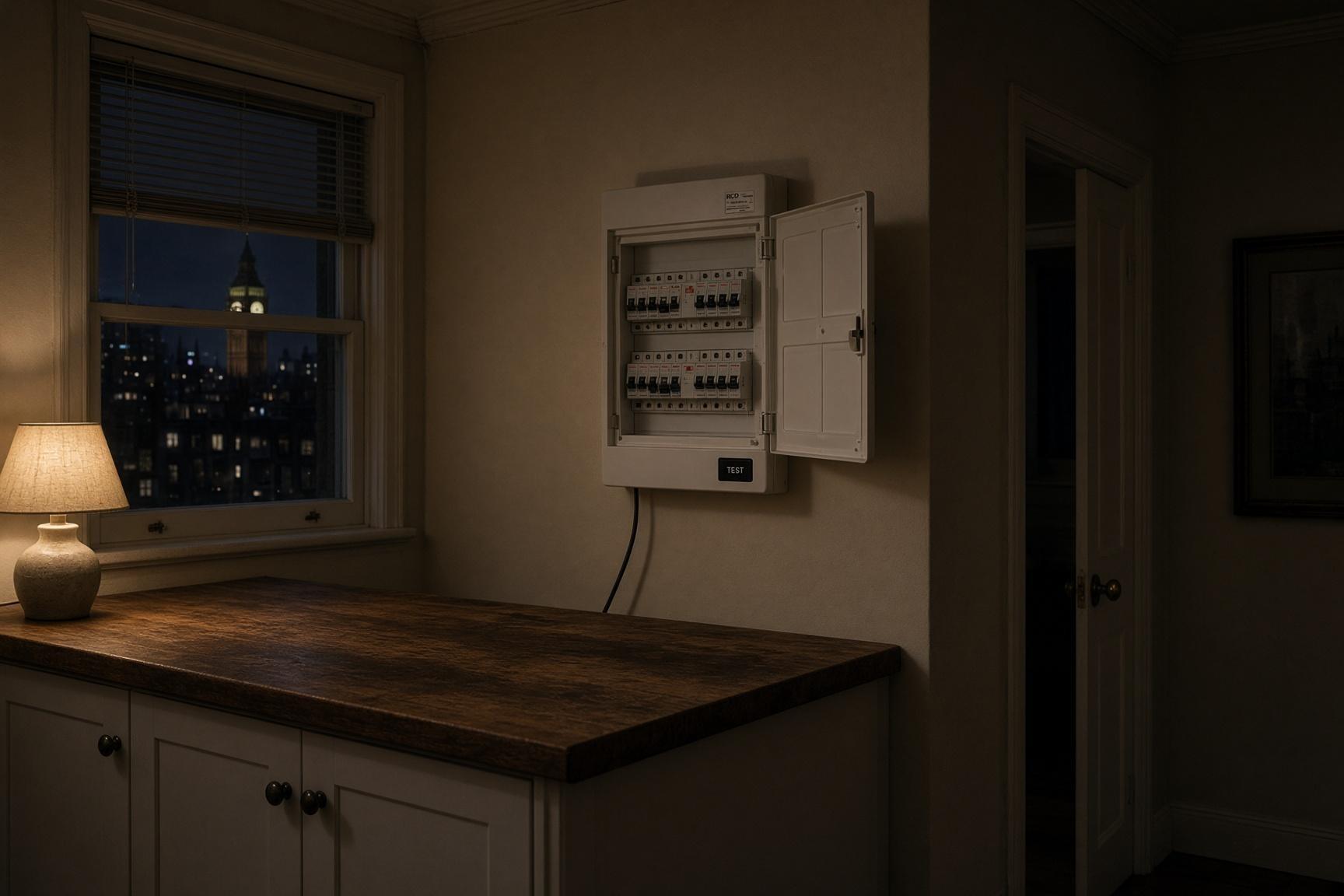
TNS Electrical Solutions’ electrical repair service includes faulty sockets, tripping circuits, consumer-unit faults and electrical fault finding. After diagnosing the problem, the electrician can explain whether a local repair is sufficient or whether further investigation is appropriate, and an experienced electrician can inspect the relevant electrical panel if the fault appears linked to the wider circuit.
Does a Crackling Socket Need Repairing or Replacing?
A damaged socket often needs replacement, but replacing the visible accessory is not necessarily the complete repair. If loose or damaged wiring, overheating or another circuit fault caused the socket to fail, that underlying problem must also be corrected before the installation can be considered safe.
This is why diagnosing the cause comes before simply fitting a new faceplate. If there is significant wear to the contacts or insulation inside the socket, replacement may be the safer option rather than a minor repair.
A straightforward socket fault may be localised. In other cases, recurring problems, deteriorated wiring, damaged rubber covering or faults affecting several outlets may justify wider electrical inspection or repair.
TNS also covers this subject in its guide to signs that a home’s wiring is no longer safe, including overheating sockets, repeated tripping, burning smells and unusual electrical noises.
How Much Does It Cost to Repair a Buzzing or Crackling Socket?
The cost depends on the cause of the noise rather than the sound itself. A straightforward socket replacement is different from tracing damaged wiring or diagnosing a circuit fault, so an accurate price normally depends on inspection and fault finding. Avoid assuming that every buzzing socket requires the same repair.
Factors affecting the final cost can include:
- whether the socket itself has failed;
- whether connections or fixed wiring are damaged;
- how accessible the affected wiring is;
- whether the problem involves one socket or several;
- whether further fault finding or testing is required;
- whether the circuit or consumer unit has an associated fault;
- replacement parts required; and
- whether an emergency or out-of-hours attendance is needed.
TNS Electrical Solutions advertises free quotes and transparent pricing, so the appropriate next step is to describe the symptoms and obtain a quotation based on the actual fault rather than relying on a generic online figure.
When Should I Call an Emergency Electrician?
Seek urgent electrical assistance if a buzzing or crackling socket is accompanied by burning smells, smoke, significant overheating, repeated sparking, melted components, exposed wiring or loss of power associated with an electrical fault. These signs can indicate a problem that should not be left in use or ignored overnight, as severe socket damage can lead to fire or shock risks if ignored.
TNS Electrical Solutions provides electrical repairs and emergency assistance across London. Its electrical repair services cover faulty sockets, damaged wiring, tripping circuits and consumer-unit faults.
The company is based in Fulham and serves areas across West and South West London, including Chelsea, Kensington, Putney, Wandsworth, Wimbledon, Hammersmith and Chiswick.
For a socket that is simply behaving unusually but has no immediate signs of danger, do not wait for the symptoms to worsen before arranging help from a professional electrician.
Don’t Ignore a Buzzing or Crackling Electrical Socket
A healthy wall socket should not normally produce persistent buzzing, crackling or popping noises.
These sounds usually point to a loose connection or deteriorated wiring rather than anything harmless. They can also indicate electrical arcing, problems with the line conductor, damaged components, a faulty appliance or another electrical fault. Heat, burning smells, scorch marks, sparking and repeated circuit trips make the situation more concerning.
Electrical outlets should also be inspected periodically, with every ten years being a sensible general benchmark in many homes. TNS Electrical Solutions provides electrical fault finding and repairs for homes and businesses across London. If you have a buzzing or crackling socket, stop using the affected outlet and arrange for a qualified electrician to identify the cause and recommend the appropriate repair.
Disclaimer
This article provides general electrical safety information and is not a substitute for an on-site assessment by a suitably qualified and competent electrician. Do not remove electrical accessories, expose fixed wiring or attempt electrical repairs unless you are competent to do so safely. If you suspect an immediate electrical danger, stop using the affected equipment or circuit where it is safe to do so and seek professional assistance.