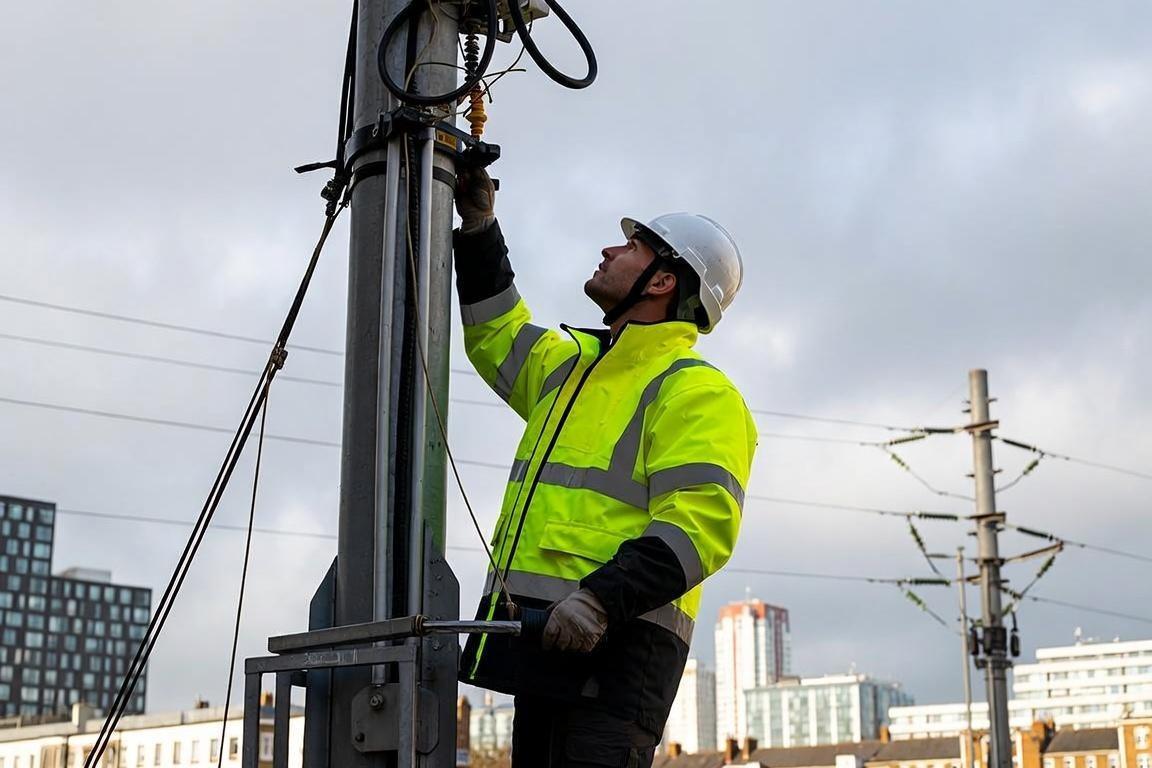
Quick Answer: An EICR in London is a formal inspection and test of a property’s fixed electrical installation. A qualified electrician checks the electrical systems, including circuits, sockets, consumer units, RCDs, earthing and bonding, using visual, dead, live and RCD testing. The electrician then issues an EICR report showing whether the installation is satisfactory and identifying any C1, C2, C3 or FI findings that may require further action.
If you have never booked an Electrical Installation Condition Report before, you may not know what to expect when the electrician arrives. How many circuits will be tested? Will the power need to be switched off? How long will the inspection take? And what happens if the report identifies a problem?
An EICR inspection is a formal assessment of a property’s fixed electrical installation. It combines visual inspection with electrical testing to identify defects, safety hazards and potential dangers that may not be obvious during everyday use.
In this guide, we will take you through what happens during an EICR in London, from booking the inspection through to receiving your EICR report and arranging remedial work if necessary.
1. Booking and Preparing for Your EICR
The process starts by arranging an appointment with a qualified electrician who is competent to carry out EICR testing.
When booking, it helps to provide details about the property, such as its size, type and whether it is a domestic, rental or commercial property. A two-bedroom flat in London will typically have a different electrical installation to a larger HMO or commercial property.
Before the inspection, make sure the electrician can access the consumer unit or distribution board, sockets, light fittings and other parts of the property’s fixed electrical installation.
You can also mention any known electrical problems, recent electrical work or concerns you have noticed.
What does an EICR cover?
An EICR inspection covers fixed electrical installations rather than portable electrical equipment. This includes the wiring, socket outlets, light fittings, consumer unit and other fixed components of the electrical system.
An EICR is therefore different from PAT testing, which is used to assess portable electrical equipment.
A gas safety certificate is also separate. It covers gas appliances and installations rather than electrical safety.
2. What Happens When Testing Begins?
Once the qualified electrician arrives, the EICR inspection begins with an assessment of the property’s electrical systems.
At TNS, we test all circuits currently in use, including:
- Lighting circuits
- Ring mains and socket circuits
- The consumer unit
- RCDs
- Earthing and bonding
There is no fixed answer to “how many circuits” an EICR will test. The number depends on the property’s electrical installation and how many circuits are present and in use.
The electrician uses electrical testing equipment to take circuit readings and identify faults or non-compliance.
Dead and Live Testing
EICR testing can involve both dead testing and live testing.
Dead testing is carried out with circuits isolated and can include checks such as continuity, insulation resistance and polarity.
Live testing allows the electrician to check the performance of electrical systems and protective devices under working conditions. This includes RCD testing, where residual current devices are checked to ensure they operate correctly.
RCDs are safety switches designed to reduce the risk of electric shock by disconnecting the supply when they detect certain electrical faults.
The electrician will take the appropriate precautions throughout the inspection, and testing methods depend on the installation and the type of assessment being carried out.
3. The Visual Inspection
Electrical testing is only part of an EICR.
The electrician also carries out a detailed visual inspection of the electrical installation. This is important because not every electrical defect can be identified through measurements alone.
We look for signs of:
- Damage
- Wear and deterioration
- Outdated wiring
- Loose connections
- Overheating
- Damaged electrical accessories
- Other visible safety hazards
The inspection can identify problems that may otherwise go unnoticed, including defects that could contribute to electric shock or electrical fires.
This is particularly relevant in London, where properties can range from modern flats and apartments to older Victorian and Edwardian terraces, converted houses and HMOs. The age and history of a property’s electrical systems can have a significant effect on their condition.
4. How Long Does an EICR Take?
One of the most common questions we receive is how long an EICR inspection will take.
There is no standard inspection time because it depends on the property’s size, the number of circuits, the condition of the electrical installation and how easily the electrician can access the relevant equipment.
As a guide, typical inspection times are:
| Property | Typical EICR time |
| 1 bedroom | 1–2 hours |
| 2 bedrooms | 2–3 hours |
| 3 bedrooms | 2–3 hours |
| 4 bedrooms | 3–4 hours |
Most domestic EICR inspections can take anywhere from around 30 minutes to several hours, depending on the installation. Larger commercial properties and HMOs can take considerably longer.
For this reason, it is best not to treat an EICR as a fixed-duration appointment.
5. How Much Does an EICR Cost in London?
EICR cost can vary significantly depending on the property and the amount of electrical testing required.
As a general London guide:
- Domestic EICRs can range from around £69 to £600
- A standard 2–3 bedroom property typically costs around £120–£250
- HMO inspections may cost around £300–£600
- Commercial EICR certificates typically cost more than domestic inspections
At TNS, EICR prices have no hidden fees.
The final cost can depend on factors such as the number of circuits, property size, accessibility and the complexity of the electrical installation.
It is worth remembering that the cost of the EICR itself is separate from any electrical work that may be required afterwards.
6. What Happens When the EICR Is Complete?
Once the electrical testing and visual inspection are finished, the electrician records the findings in the EICR report.
The report is a formal record of the condition of the property’s fixed electrical installation and identifies any electrical defects, potential dangers or further work that may be required.
EICR reports use classification codes to describe the seriousness of findings.
C1: Danger Present
C1 means “Danger Present”. It indicates an immediate risk of injury. Where a C1 hazard is identified, the electrician may make the immediate danger safe where possible.
C2: Potentially Dangerous
C2 means “Potentially Dangerous”. It indicates that remedial work is required because the installation presents a potential safety risk.
Some recurring C2 issues identified during EICR inspections include broken sockets, lack of RCD or SPD protection, and downlights that are not IP-rated or fire-rated.
C3: Improvement Recommended
C3 means “Improvement Recommended”. A C3 observation does not make an EICR unsatisfactory by itself, although addressing the recommendation may improve the safety of the installation.
FI: Further Investigation
FI means that further investigation is required without delay. It is used where the inspector needs additional investigation before the condition of the installation can be fully established.
The overall report will state whether the installation is satisfactory or unsatisfactory based on the findings.
7. What Happens If an EICR Fails?
If C1, C2 or relevant FI findings mean that further work or investigation is required, the next step is to address the issues identified in the report.
At TNS Electrical Solutions, we provide a remedial quote based on the specific findings of the EICR report. This gives the customer a clear understanding of the electrical work required and its cost before proceeding.
For landlords in England, remedial or further investigative work identified by an EICR must generally be completed within 28 days, or sooner if the report specifies a shorter period.
A failed EICR does not automatically mean the property’s entire electrical system needs replacing. The required work depends on the individual defects identified during the inspection.
Once remedial work is completed, landlords must obtain written confirmation from a qualified person and provide the required documentation to tenants and, where applicable, the local council.
8. When Do You Receive Your EICR Certificate?
Technically, an EICR is a report, rather than simply a certificate. You may hear it described as an EICR certificate or electrical safety certificate, but the formal document is the Electrical Installation Condition Report.
At TNS, customers receive a digital EICR report following completion of the inspection.
For landlords in England, keeping electrical safety records up to date is particularly important. The Electrical Safety Standards regulations require covered rented properties to have their fixed electrical installations inspected and tested by a qualified person at least every five years, or sooner where the previous report specifies.
Landlords must also provide the report to existing tenants within 28 days of the inspection and to new tenants before they occupy the property.
Local authorities can take enforcement action where landlords fail to meet their electrical safety obligations, including financial penalties of up to £30,000 per offence.
How Often Should Homeowners Have an EICR?
There is no single statutory inspection interval for every homeowner. A regular periodic inspection can nevertheless be a useful way to monitor the condition of an older fixed electrical installation.
A 10-year interval is commonly recommended for owner-occupied homes, although the appropriate frequency can depend on the property’s age, condition and electrical installation.
For rental properties, the legal requirement is different: landlords must arrange an inspection at least every five years, or sooner if the previous report specifies a shorter interval.
Why Is an EICR Important?
Electrical faults can remain hidden until they cause a problem. An EICR provides a structured way of identifying defects, safety hazards and potential risks within a property’s fixed electrical installation.
Electrical Safety First reports that electricity causes more than 20,000 house fires in the UK each year, highlighting why maintaining electrical safety should not be treated as an afterthought.
For landlords, an EICR is also an important part of maintaining compliance with electrical safety standards. For homeowners and businesses, it provides a clearer understanding of the condition of their electrical systems and any work that may be needed.
Book an EICR in London
An EICR is not simply a quick check of a few sockets. It is a formal inspection and testing process covering the property’s fixed electrical installation, including circuits, consumer units, protective devices, earthing and bonding.
At TNS Electrical Solutions, we carry out EICR inspections across West and Central London, including Fulham, Chelsea, Kensington, Westminster, Wandsworth, Hammersmith and surrounding areas.
Whether you are one of the many London landlords arranging a regular inspection, a homeowner concerned about an older electrical installation, or a business responsible for commercial properties, an EICR can give you a much clearer picture of your electrical safety.
If issues are identified, you will have a formal EICR report explaining the findings and, where remedial work is required, a clear route towards addressing them.
Important: EICR requirements can vary depending on the type and use of a property. The information above is general guidance and should not be treated as legal advice. Landlords should check the latest GOV.UK guidance and the specific requirements applying to their property before relying on this information for compliance.