If you own a home in London with an older fuse box or an outdated consumer unit, upgrading it is one of the most important electrical safety improvements you can make. Modern consumer units are designed to cope with today’s electrical demands, reduce the risk of electrical fires, and prevent electrical shocks through essential safety features such as residual current devices (RCDs) and miniature circuit breakers (MCBs). The question most homeowners ask first is simple. What does fuse box replacement cost in London, and what should you expect to pay?
At TNS Solutions, we approach fuse box replacement the same way qualified electricians and local planning bodies do. Safety, compliance, and a clear explanation of the overall cost before work begins. This guide sets out typical London price ranges, what drives the final cost, and the legal and certification steps that must be followed when replacing a fuse box.
First, a quick clarification on terms
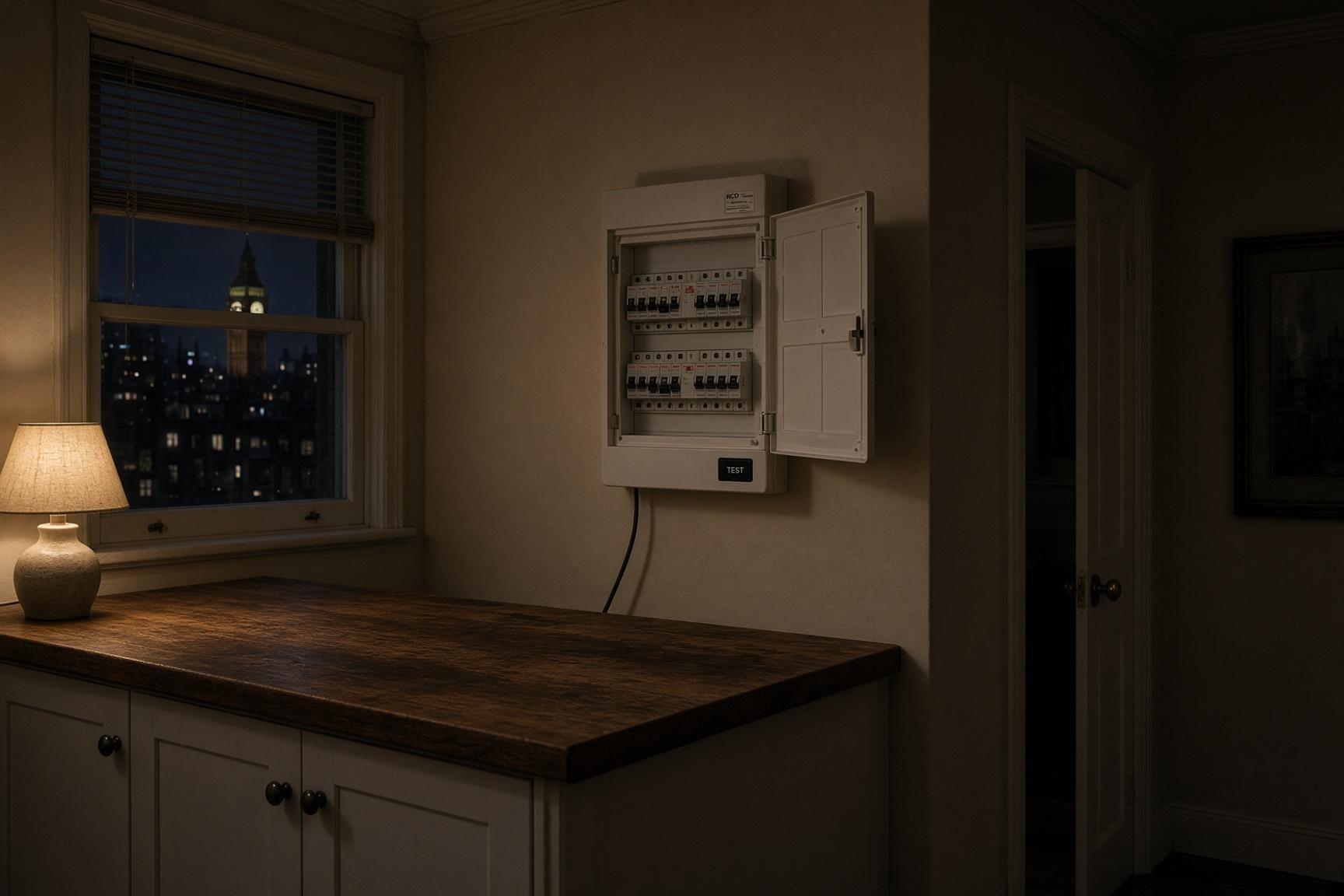
In most UK homes, a “fuse box” is now referred to as a consumer unit. Older fuse boxes used rewirable fuses or cartridge fuses. Modern consumer units use circuit breakers, including MCBs and RCD protection, to isolate individual circuits more reliably. When homeowners discuss a new fuse box, they are normally talking about a new consumer unit installed to meet current regulations.
Typical fuse box replacement cost in London
London replacement cost is usually higher than the UK average because of labour rates, parking and access, and the complexity of older housing stock. Most homeowners in London can expect a fuse box replacement service to fall in the broad range of around £300 to £850, depending on the property and the work involved.
Across the UK, typical costs are commonly quoted between about £450 and £750, including VAT, which gives a useful benchmark for understanding where London pricing sits. A straightforward replacement in a modern flat with a small number of circuits may sit towards the lower end. A larger house with more circuits, older wiring, or frequent electrical issues will trend higher.
What matters is not the headline number but what is included. A proper replacement price should cover the supply of the best consumer unit for the job, installation costs, testing of all the circuits, and the certificates needed for building regulations compliance.
What drives the final cost
The biggest cost driver is how many circuits the consumer unit has to accommodate. Homes with more circuits, extra circuits added over time, or individual circuits for high-load appliances need a larger unit and more time to test and reconnect. If your electrician has to reconfigure the electrical circuit layout because the current fuse box is full, that can increase the overall cost.
The condition of existing wiring is another major factor. Many London properties have older wiring or additions completed decades apart. During fuse box installation, the electrician must test for electrical faults and verify that the home’s wiring is safe to reconnect. If faults are found, or if one circuit cannot be reenergised because of existing defects, remedial electrical work may be needed before the new unit can be signed off.
The type of protection fitted also affects material costs. Modern consumer units may use split-load RCDs, individual RCBOs for each circuit, or a mix depending on the installation design. RCBO-based boards generally cost more to supply but offer stronger protection and reduce nuisance tripping. Access and property characteristics also matter. Flats with limited meter access, properties with awkward risers, or homes needing rerouting of meter tails may take longer. In some cases, additional wiring is required to bring the installation up to current regulations.
The role of electrical inspection and EICR costs
Before replacing a fuse box, a qualified electrician will often recommend an electrical inspection, typically an Electrical Installation Condition Report. An EICR identifies the condition of baseline wiring, detects electrical faults, and helps confirm whether your existing consumer unit is unsafe or simply outdated. Electrical inspection costs in the UK are often around £200 on average, and London pricing can be higher depending on property size and circuit count.
Even if an EICR is not commissioned separately, testing is still mandatory as part of the replacement. A responsible electrician will not connect a new consumer unit to unsafe wiring. This is why a fuse box replacement quote sometimes includes an inspection allowance or a provisional sum, especially for older London homes.
Building regulations and the legal requirement for certification
Replacing a fuse box is notifiable electrical work under Part P of the Building Regulations. That means it must be carried out by a registered electrician under a government-approved scheme such as NICEIC or NAPIT or otherwise notified to local building control for inspection.
Once replacing a fuse box is complete, you should receive an Electrical Installation Certificate confirming the unit has been installed to BS 7671 wiring regulations and tested properly. If the electrician is registered, they will also issue or arrange a Building Regulations Compliance Certificate. These documents matter for safety regulations, insurance, and property value if you sell or remortgage.
If a contractor cannot provide these certificates, that is a red flag. Compliance is not optional.
Signs that replacement is likely to be needed
Homeowners usually contact an electrician because of visible or practical warning signs. Outdated systems often struggle with modern electrical demands, and this can show up as frequent tripping, blown fuses, flickering lights, burning smells, or repeated power surge events. Older fuse boxes may also lack RCD protection, leaving occupants more exposed to electrical hazards and electrical shocks.
An electrician may recommend a new consumer unit after an EICR records serious issues or where the old unit is unsafe, damaged, overheating, or cannot support additional circuits.
What happens during a fuse box replacement
A standard fuse box replacement typically involves isolating the electrical supply, removing the old unit, installing the new consumer unit, transferring and labelling all the circuits, and testing every circuit to confirm safe reconnection. If the home has more circuits than expected, or if there are wiring irregularities, the work may take longer.
In most homes, power will be off for several hours. A good electrician will explain the process, highlight any faults discovered, and confirm the final cost before proceeding with additional work.
How to choose the right electrician
Because fuse box replacement is notifiable work, you should use a qualified electrician who is registered with a competent person scheme. This protects you legally and ensures building regulations compliance without needing a separate local council sign-off.
Experience with older consumer units and older wiring common in London is especially valuable. The right electrician will take time to inspect the existing habitat of the electrical system, meaning your home’s wiring conditions, before quoting definitively.
Conclusion
Fuse box replacement cost in London depends on your property, your circuits, and the condition of existing wiring, but most homeowners should expect a realistic range of roughly £300 to £850, with more complex homes reaching higher. A modern consumer unit is a meaningful safety upgrade that reduces the risk of electrical fires, provides RCD protection against electrical shocks, and supports the electrical current demands of modern living.
The key is to treat replacement as both a safety project and a compliance project. Use a registered electrician, expect proper testing, and make sure you receive an Electrical Installation Certificate and Building Regulations Compliance Certificate when the job is done.
If you would like TNS Solutions to help you scope your upgrade, understand your inspection results, or arrange a compliant fuse box installation through trusted certified electricians, we are here to support you.
Disclaimer
This blog provides general information on fuse box replacement and typical costs in London. It does not constitute electrical or legal advice. Prices vary by property, circuit count, access, and wiring condition, and any remedial work needed after inspection can affect the final cost. Always obtain a site-specific quotation from a qualified, registered electrician and confirm certification requirements with your local planning authority or building control, where relevant.