Many electrical problems in UK homes are easy to overlook at first, but outdated or faulty wiring can place a property at serious risk of electrical fires, electric shocks, and damaged appliances. A home’s electrical system is designed to manage the electric current safely, yet when wiring insulation deteriorates or electrical circuits become overloaded, problems can escalate quickly.
Understanding the early warning signs helps prevent serious hazards and ensures your electrical installation remains safe, compliant and reliable. These are the 8 signs you may have a problem with your electrical wiring, and why it is essential to address them as soon as possible.
Dimming or Flickering Lights
One of the most common signs of electrical issues is flickering or dimming lights. Light fixtures that flicker when a large appliance switches on often indicate overloaded circuits or loose wiring. If lights dim across several rooms or fluctuate regularly, your home’s electrical wiring may be struggling to cope with the demand placed upon it. This is a common issue in properties across Ealing, Clapham, Queen’s Park, Tooting, Mitcham Notting Hil, Pimlico and Kensington, particularly in older homes. Dimming lights should never be dismissed as a minor inconvenience, as they can be an early indicator of electrical problems that require investigation by a qualified electrician.
Frequent Breaker Trips
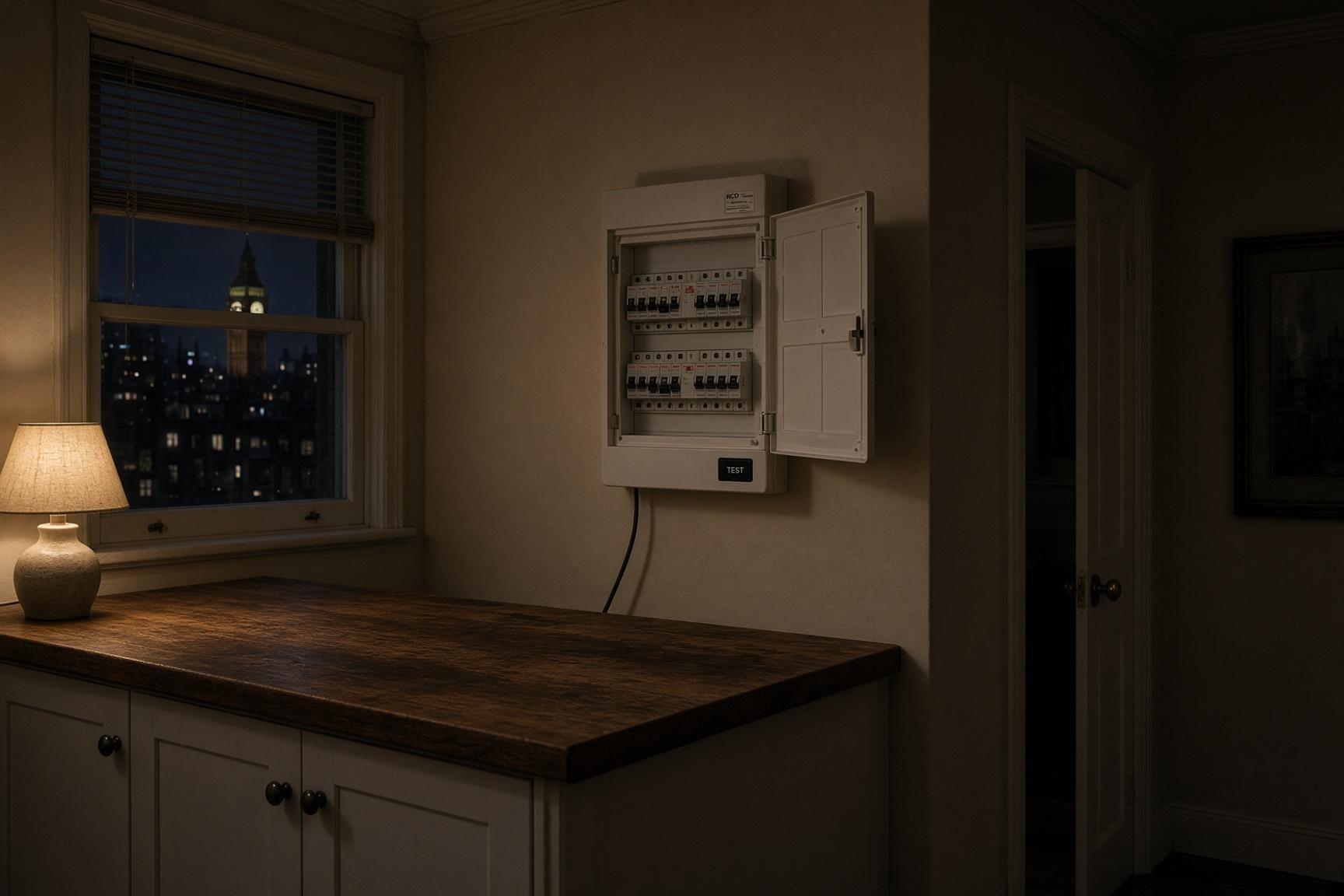
A well-functioning consumer unit or breaker panel should only trip when it is genuinely protecting your home from too much electrical load. Frequent tripping can reveal an electrical problem linked to outdated wiring, faulty wiring or multiple appliances attempting to draw more power than the circuit can provide. When a circuit breaker trips repeatedly, it is usually a sign that the electrical system is under strain. A professional electrician can assess whether the circuit needs dedicated lines, a load adjustment or an upgrade to ensure safe operation.
Hot or Discoloured Sockets and Switch Plates
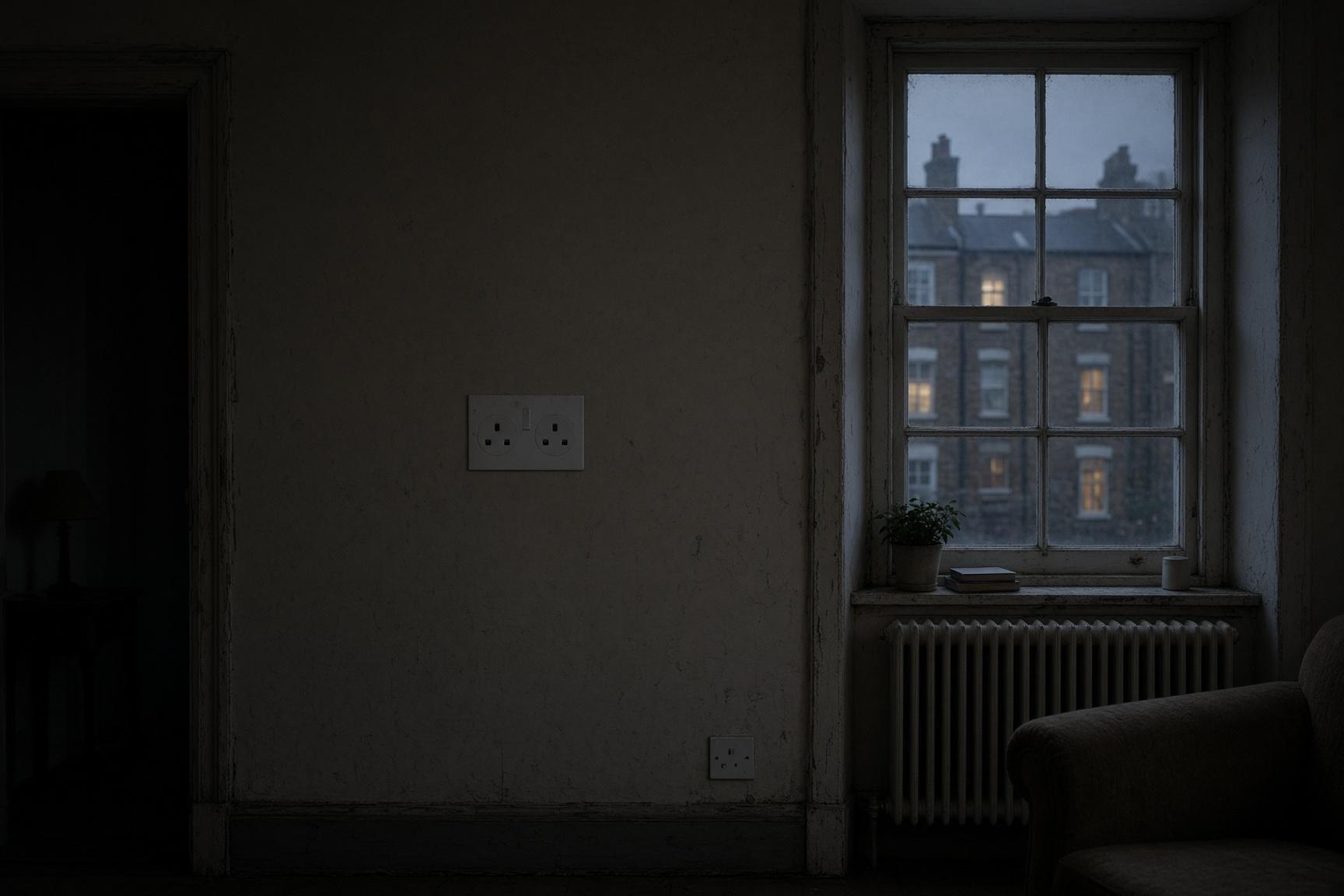
Electrical sockets and switch plates should never feel hot to the touch. Heat, scorch marks or discolouration may indicate loose wiring, short circuits or failing electrical components hidden behind the wall. A burning smell from a socket or fuse box is even more serious because it suggests the risk of an electrical fire. These symptoms should be treated urgently, and homeowners should call an electrician immediately to inspect the affected areas.
Burning Smells or Unusual Noises
Burning smells resembling melting plastic, crackling noises or buzzing sounds are classic signs of dangerous electrical faults. Electrical fires often begin with a faint burning smell long before visible smoke or flames appear. Buzzing from light switches, electrical sockets, or the fuse box can signal poor wiring connections or a faulty switch that is struggling to carry the electric current. Any burning smell or unusual sound requires prompt investigation to avoid fire hazards.
Electric Shocks When Touching Appliances or Switches
A small static shock can occasionally occur, but regular electric shocks when touching appliances, switches, or sockets indicate a serious wiring fault or grounding issue. Faulty wiring, damaged wiring insulation, or incorrect electrical installation can cause metal surfaces to become live. These problems increase the risk of more significant electric shocks and should never be ignored. Bringing in a certified Electrician Balham ensures the issue is diagnosed correctly and protects you from potentially dangerous contact with exposed electrical current.
Over-Reliance on Extension Cords and Power Strips
Too many extension cords and power strips plugged into one room often mean the electrical system in that area is not designed to support the required load. Homes with old house wiring or a limited number of electrical sockets may struggle to accommodate modern appliances such as space heaters, hair dryers or gaming systems. Overloaded circuits can overheat, trip breakers, or create fire risks. Adding new outlets, redistributing appliances to different circuits or upgrading the wiring are common solutions provided by professional electricians.
Ageing or Outdated Wiring
Old wiring, such as aluminium wiring or outdated components in fuse boxes, is far more likely to fail compared with modern electrical systems. A home that has not had an electrical inspection in many years may contain deteriorating wires, brittle insulation or unsafe DIY alterations carried out by previous owners. If your last inspection was many years ago, or you notice consistent electrical issues across multiple rooms, it is likely time to assess whether your home needs electrical rewiring.
Appliances Failing or Behaving Erratically
A new appliance that repeatedly trips the breaker, causes flickering lights or seems underpowered may highlight an issue with the circuit rather than the appliance itself. When multiple appliances on the same circuit cause repeated breaker trips or make lights dim, the wiring may be failing to support the load. This can be particularly noticeable with large appliances such as washing machines, heaters and ovens. Electrical systems that cannot maintain stable power should be evaluated promptly.
Final Thoughts: When to Call a Professional
Electrical wiring problems rarely fix themselves and often worsen over time. Ignoring the warning signs can lead to electrical fires, shocks, damaged appliances and costly repairs.
At TNS Solutions, we provide comprehensive electrical services, ranging from electrical inspections to full home rewiring, ensuring your property remains safe, compliant, and fully functional. If you notice persistent flickering, hot sockets, breaker trips, burning smells or any of the signs mentioned above, calling a qualified electrician is the safest and most responsible next step.