Quick Answer: A hot electrical socket is usually caused by an overloaded socket, a loose electrical connection, a damaged plug or appliance, or a fault within the socket or wiring, and it should be taken out of use and checked promptly. If an electrical socket feels unusually hot to touch, stop using it. Burning smells, scorch marks, buzzing, crackling, melting or repeated circuit breaker trips can indicate a serious electrical fault that should be checked by a qualified electrician.
A hot electrical socket can indicate an overloaded socket, a poor electrical connection, a damaged plug or appliance, or a fault within the socket or circuit. If an electrical socket is hot to touch rather than just slightly warm, stop using it. Burning smells, scorch marks, buzzing, crackling, melting or repeated circuit-breaker trips require particularly prompt attention. Homeowners, tenants, landlords, property managers and anyone responsible for electrical safety in a property can use this guide to understand the likely cause, judge the level of risk and decide when professional repair is needed.
Heat is an important electrical safety warning because excessive resistance or current can cause components to overheat. The safest response is to stop using the affected socket and arrange an inspection if the cause is not immediately attributable to equipment that can safely be disconnected. The sections below explain the common causes, the danger signs to watch for, what to do if a socket feels hot, the repair options an electrician may recommend, likely diagnosis and repair costs, and when to call a qualified electrician before damage or injury occurs.
Is a Hot Electrical Socket Dangerous?
A hot electrical socket can be dangerous and should not be ignored. Excessive heat may indicate an electrical fault, damaged components, an overloaded socket or a poor connection. Continued overheating can damage the plug, socket and wiring and increase the risk of fire.
Electrical Safety First advises people not to ignore plugs or sockets that feel hot to touch. Burn marks, buzzing or crackling, blown fuses and circuit breakers that keep tripping are also recognised electrical warning signs.
There is an important difference between equipment producing some heat during normal operation and the socket outlet itself becoming unusually hot. If the faceplate, plug pins or surrounding plastic becomes very hot, changes colour, smells of burning or begins to melt, stop using it.
Never assume that a socket getting progressively hotter is normal simply because it continues to supply power.
Why Is My Electrical Socket Getting Hot?
A socket can get hot because excessive current or increased electrical resistance is generating heat somewhere around the plug, contacts, connections or wiring. Common causes include loose connections, damaged socket contacts, overloaded extension leads and faults in the connected appliance or plug.
Loose connection or damaged electrical connections
A loose electrical connection is one possible cause of socket overheating.
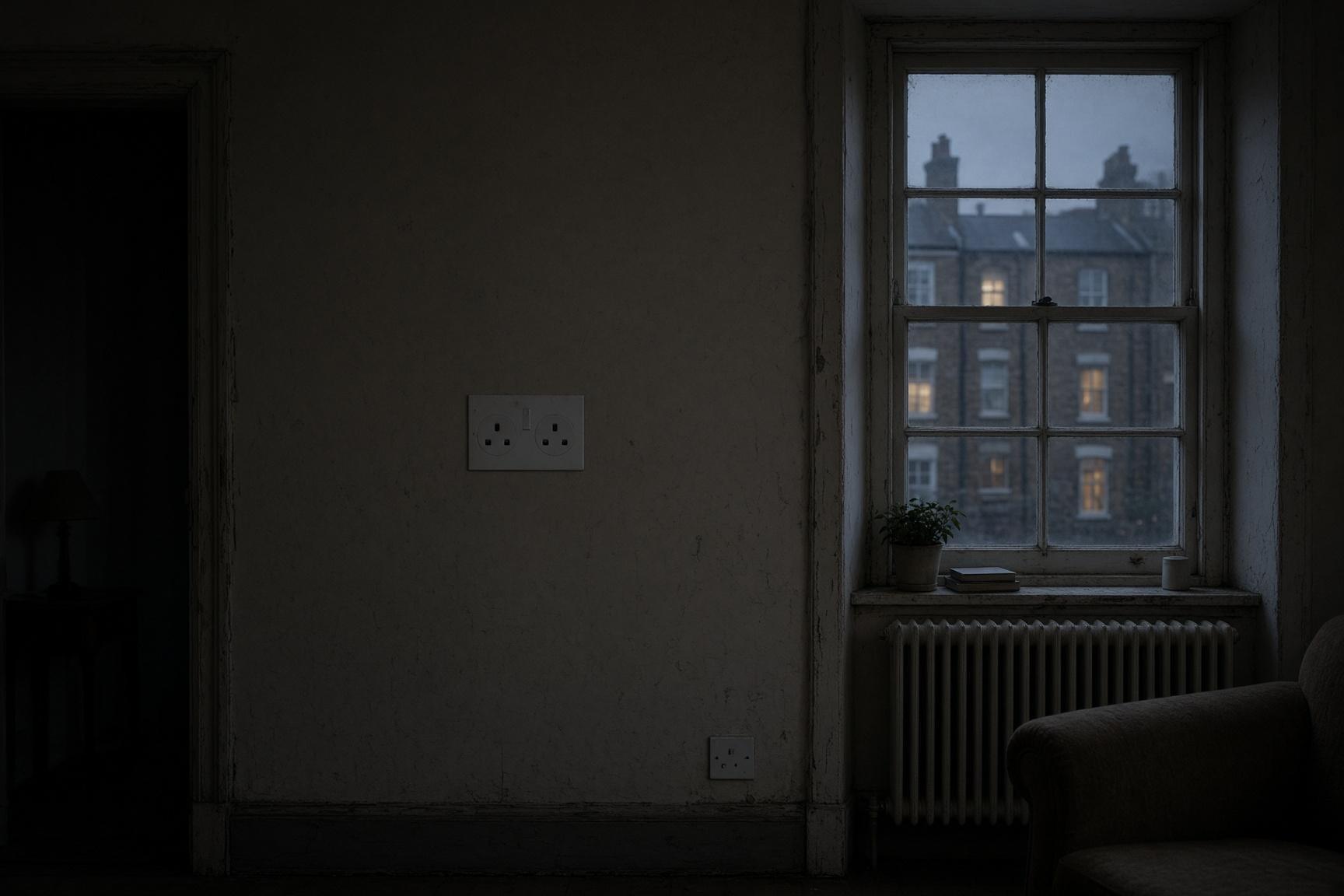
A socket and plug depend on secure electrical contact. If a connection behind the socket is loose, or a poor live or neutral contact increases resistance where the plug pins enter the socket, electrical resistance can increase at the poor connection. That resistance can generate localised heat. As resistance rises, heat increases and can create even more heat as the contact deteriorates further.
Loose connections can also contribute to arcing, which may be heard as buzzing or crackling.
Problems can develop because components have deteriorated, terminals are not making an adequate connection or the socket has suffered physical damage. These faults, unlike a sound connection, are for a competent electrician to investigate rather than something to dismantle yourself.
Overloaded sockets and extension leads
An overloaded socket or extension lead can overheat when connected equipment exceeds the permitted load.
This is particularly relevant where high-power appliances such as kettles, heaters or irons are connected through adaptors or extension leads. Electrical Safety First advises checking an extension lead’s current rating and warns against plugging one extension lead into another because this can cause the plug at the wall socket to overheat.
If you regularly need several appliances from one socket, adding more adaptors is not necessarily the right solution. An electrician can assess whether additional fixed socket outlets would provide a safer and more practical arrangement.
A faulty plug, plug pins, or appliance
If a socket gets hot when an appliance is plugged in, the appliance or its plug may be contributing to the problem.
A damaged plug, loose internal connection, unsuitable fuse, damaged cable or faulty appliance can all require investigation. Signs of overheating may appear on the plug as discolouration, with the metal on the pins starting to turn darker, melted plastic or damage around the pins.
Check only what can be inspected safely with the appliance unplugged. Do not dismantle a socket or attempt repairs to fixed wiring unless you are competent to carry out electrical work safely.
If one particular appliance repeatedly causes heat while other equipment does not, stop using that appliance until the cause has been identified; a high-power appliance may raise concern where phone chargers and other low-power items do not.
Damage, loose plug fuse, or deterioration inside the socket
A faulty wall socket may no longer make a secure connection with a plug.
Repeated use, mechanical damage or deterioration can leave the contacts worn or corroded over time, increasing resistance at the contact surface and affecting other components. A plug that sits loosely, damaged plastic, scorch marks or visible discolouration on a visibly damaged socket should therefore not be dismissed as cosmetic wear. Damage is often most obvious in the position where the plug pins enter, and the marking may mirror the failing contact.
Replacing the socket may solve a localised problem, but an electrician should establish why the overheating occurred before treating replacement as the complete solution.
What Warning Signs Mean a Hot Socket Needs Urgent Attention?
A hot socket needs prompt attention if you notice a burning smell, scorch or burn marks, melted or discoloured plastic, buzzing, crackling, sparking, repeated tripping or significant heat. These symptoms can indicate overheating, arcing, damaged connections or another electrical fault.
Warning signs include:
- a socket that feels unusually hot rather than mildly warm;
- a burning or hot-plastic smell from the socket or plug;
- black, brown or other discolouration around the socket, including a multicoloured pattern or darker areas on the socket or plug metal;
- melted or distorted plastic;
- buzzing or crackling noises;
- sparks or evidence of arcing;
- a plug that becomes excessively hot;
- a plug that feels loose in the socket;
- a fuse that repeatedly blows;
- an RCD or circuit breaker that repeatedly trips.
Electrical Safety First specifically advises consumers not to ignore burn marks, arcing sounds, overheating or repeated protective-device operation.
If you can smell burning, see smoke or find significant melting or scorching, treat the problem as urgent; worsening marks on the plug or socket metal are not normal signs of use, so do not continue experimenting with different appliances in the socket.
What Should I Do If a Socket Feels Hot?
If a socket feels unusually hot, stop using it and unplug the connected appliance if this can be done safely; if you can identify the correct circuit safely, turn or switch off the corresponding circuit breaker. Do not continue loading the socket to see whether the problem happens again. If there are signs of burning, melting, arcing or another serious fault, arrange professional electrical assistance promptly.
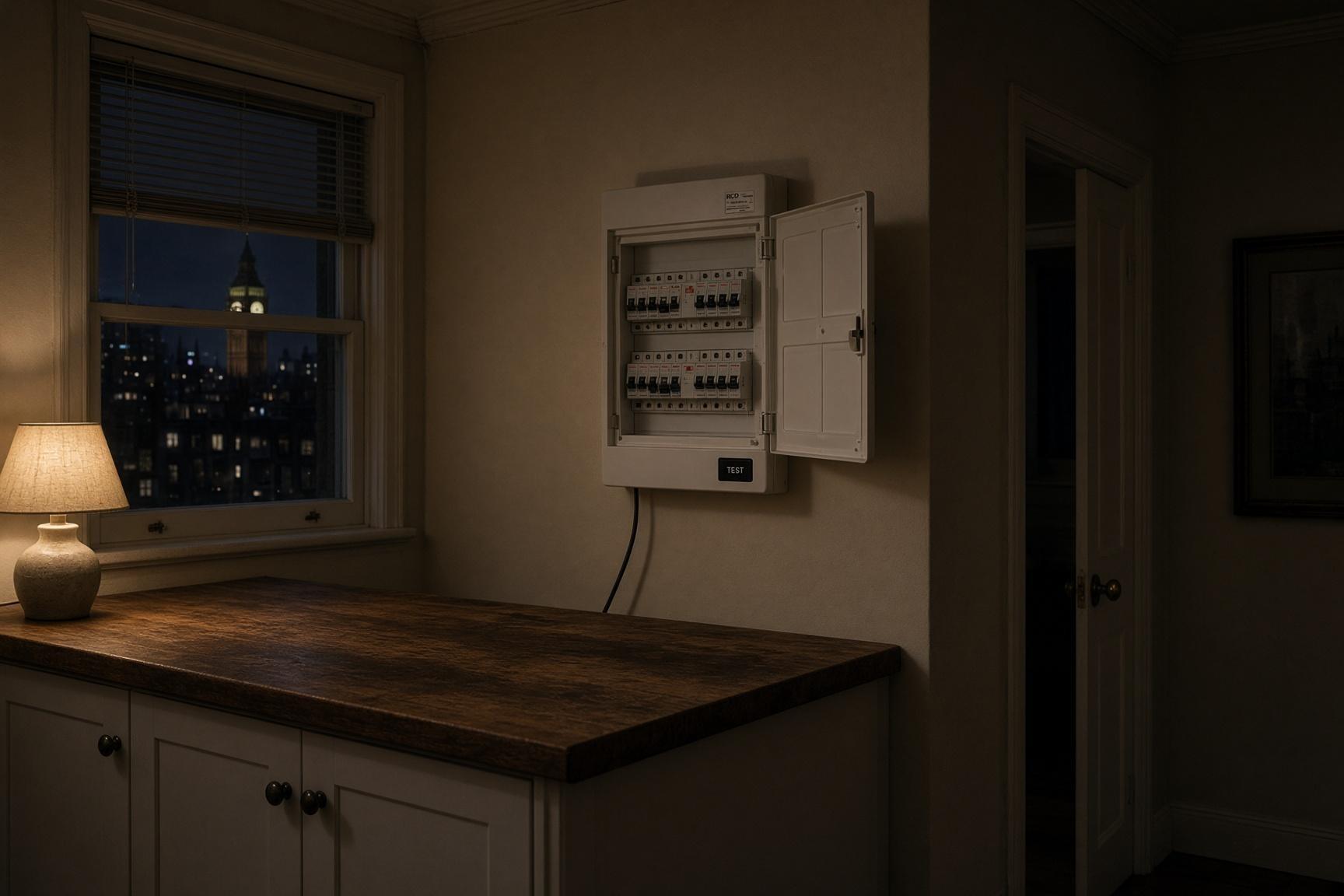
Avoid touching damaged or melted components unnecessarily. If there is an immediate electrical danger and you know how to isolate the affected circuit safely at the consumer unit, turn off the relevant breaker to prevent continued use while professional help is arranged.
You should not:
- keep using the socket because it still works;
- repeatedly reset a breaker or RCD without investigating why it trips;
- dismantle a socket to inspect fixed wiring unless you are competent to do so;
- connect multiple high-power appliances through adaptors;
- daisy-chain extension leads; or
- attempt to clean burnt plug pins and return damaged equipment to service without establishing the cause.
A damaged component may need replacement, but finding the underlying fault is equally important.
What If the Socket Only Gets Hot With One Appliance or Phone Chargers?
If a socket only becomes hot when one particular appliance is connected, stop using that appliance until the plug, cable and appliance have been checked. The pattern may point towards a faulty plug or appliance, although damage to the socket can still contribute to overheating when it is placed under load.
For example, a kettle, heater or other high-power appliance places a substantially different demand on a connection from a small phone charger. A poor connection may therefore become more obvious when higher current is flowing.
Look for visible damage while the appliance is unplugged, including cracks, discolouration, melted plastic or cable damage.
Do not assume the appliance is definitely responsible simply because another low-power device appears to work normally in the same socket. Electrical fault finding can establish whether the problem lies with the socket, plug, appliance, wiring or a combination of factors.
Can a Hot Electrical Socket Be Repaired?
Yes, many overheating socket problems can be repaired, but the appropriate repair depends on what caused the heat. An electrician may replace a damaged socket, correct a defective connection or identify a problem elsewhere in the circuit. Wider deterioration can require additional electrical repairs rather than simply fitting a new faceplate.
For a localised socket fault, replacement can sometimes be straightforward.
However, visible damage is only part of the diagnosis. An electrician may need to inspect the conductors and connections behind the socket for broken or heat-damaged terminations, not just the faceplate, and assess the affected circuit.
Where testing identifies wider problems with an electrical installation, further work may be recommended. That could include repairs, circuit improvements or, where wiring has significantly deteriorated, partial or more extensive rewiring.
The scope should be based on inspection and testing rather than assumptions based solely on the socket’s appearance.
How Does an Electrician Diagnose an Overheating Socket?
An electrician can inspect and test the socket, connections and affected circuit to determine where excessive heat is being generated and whether other parts of the installation have been damaged. The exact testing required depends on the symptoms, condition of the socket and whether the fault occurs with particular equipment.
The electrician will first want to understand when the socket becomes hot and what was connected when the problem occurred.
The investigation may then include the socket itself, terminal connections, wiring, protective devices and relevant connected equipment. Evidence such as discolouration, melting or arcing can help identify where overheating has occurred.
Electrical connections need adequate electrical continuity and mechanical strength. The IET notes in its BS 7671 guidance that connections that are not sufficiently tight can create hotspots and arcing, and socket contacts must effectively clip or hold the plug pins securely to avoid resistance hot spots.
If there are signs of broader problems rather than an isolated socket fault, a more comprehensive electrical inspection or EICR may be appropriate. An EICR assesses the condition of the electrical installation and can identify defects that require remedial work.
How Much Does It Cost to Repair a Hot Socket?
The cost of repairing a hot electrical socket depends on the fault, the amount of testing required and whether damage is limited to the socket or extends to the circuit or wiring. A straightforward socket replacement and a fault requiring tracing, cable repairs or wider electrical work are therefore different jobs.
Factors that can affect the quotation include:
- whether fault finding is required;
- whether the socket itself needs replacing;
- damage to cables or connections behind the socket;
- accessibility of the affected wiring;
- whether one or several sockets are affected;
- whether the connected appliance also has a fault;
- whether the circuit requires additional repairs; and
- whether the problem requires an emergency or out-of-hours attendance.
For that reason, publishing a single repair figure without diagnosing the fault can be misleading. A qualified electrician can assess the symptoms and explain what needs repairing or replacing before wider work proceeds.
TNS Electrical Solutions advertises transparent pricing and provides quotes for electrical work in London.
When Should I Call an Electrician About a Hot Socket?
Call a qualified electrician if a wall socket becomes unusually hot, repeatedly overheats, smells of burning, shows scorch marks, buzzes or crackles, sparks, melts or causes protective devices to trip. You should also arrange an inspection if you cannot confidently identify why the socket is heating up.
Professional assessment is particularly important where:
- the socket remains hot after the appliance has been disconnected;
- more than one socket is affected;
- overheating keeps returning;
- there is visible damage;
- you suspect a loose connection or wiring fault;
- the circuit breaker or RCD repeatedly trips; or
- the property has other signs of electrical deterioration.
Landlords and property managers should also take reports of overheating sockets seriously rather than treating them as minor maintenance complaints.
An RCD and circuit breaker provide important protection, but their presence does not make an overheating socket safe to continue using. Some properties may also have GFCI outlets or equivalent additional shock protection, but these do not make an overheating socket safe to keep using.
Need an Electrician for a Hot Socket in London?
TNS Electrical Solutions provides electrical fault finding, socket repairs, electrical inspections and emergency electrical services across London, including Fulham, Chelsea, Kensington, Putney, Wandsworth, Wimbledon, Hammersmith and Chiswick.
If your socket feels hot, smells of burning or shows signs of damage, stop using it and arrange for the problem to be assessed. A qualified electrician can identify whether the fault is confined to one socket or whether the circuit or wider electrical installation requires attention.
For properties where wider electrical safety is a concern, TNS Electrical Solutions also provides EICRs and electrical installation services.
Safety disclaimer: This article provides general electrical safety information and is not a substitute for inspection or advice from a qualified electrician. Do not dismantle sockets, plugs or fixed wiring unless you are competent to perform the work safely. If there is smoke, fire or an immediate danger to people or property, contact the appropriate emergency service.