Quick Answer: Before buying a house, check for visible electrical warning signs such as damaged sockets, flickering lights, exposed wiring and outdated fuse boxes. Ask the seller for electrical certificates and a recent EICR. A qualified electrician can inspect and test the property’s fixed electrical installation, identify potential safety hazards and recommend necessary repairs before you exchange contracts.
Buying a house is a major investment, but electrical problems are not always obvious during a viewing. Knowing which electrical checks when buying a house are important can help you identify warning signs, ask the right questions and avoid unexpected repair costs.
Start by checking visible sockets, switches, lighting and the consumer unit without touching or dismantling electrical equipment. Ask the seller for electrical certificates and previous inspection reports. For a more reliable assessment, consider arranging an Electrical Installation Condition Report (EICR) with a competent electrician before exchanging contracts.
What Electrical Checks Should You Do During a House Viewing?
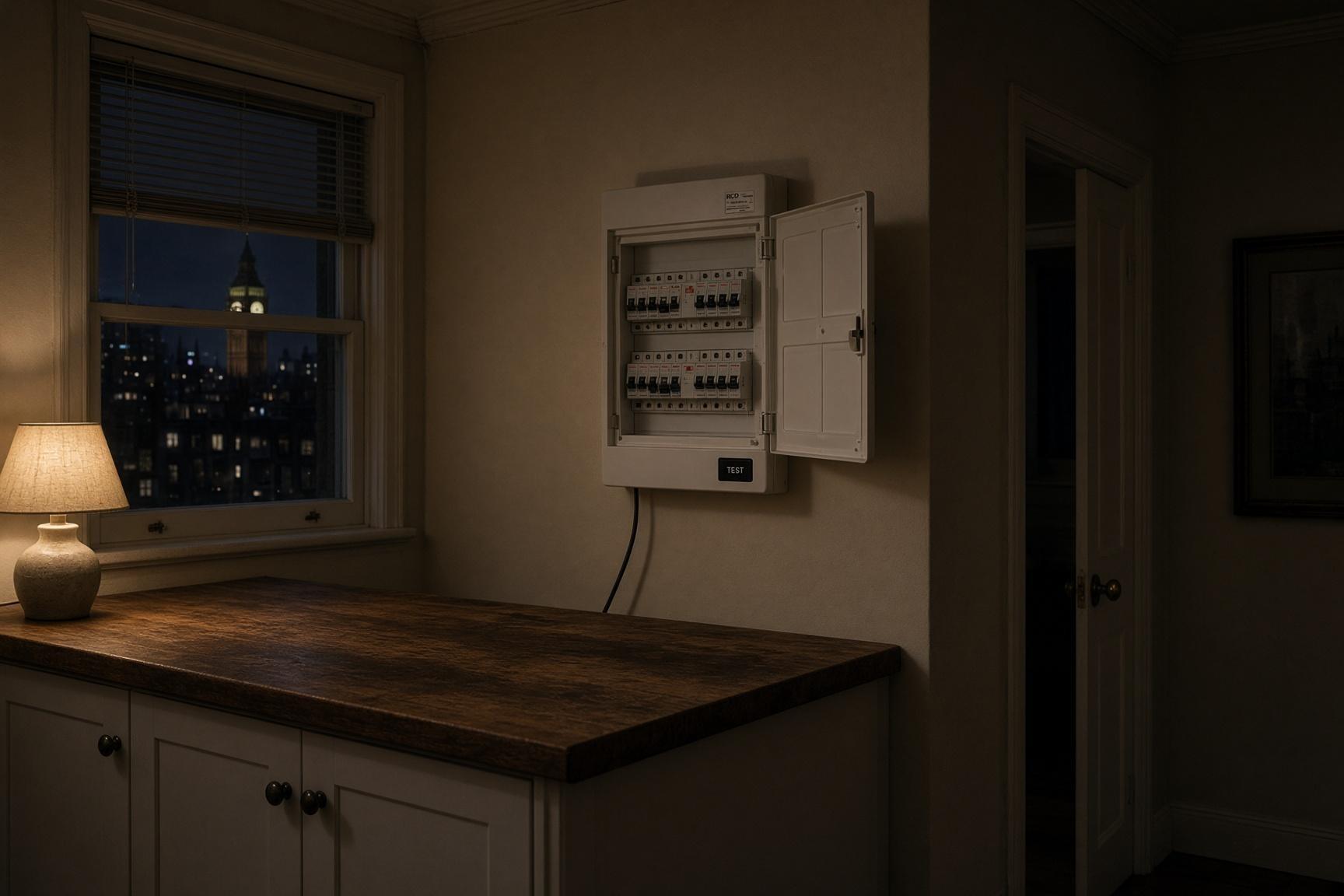
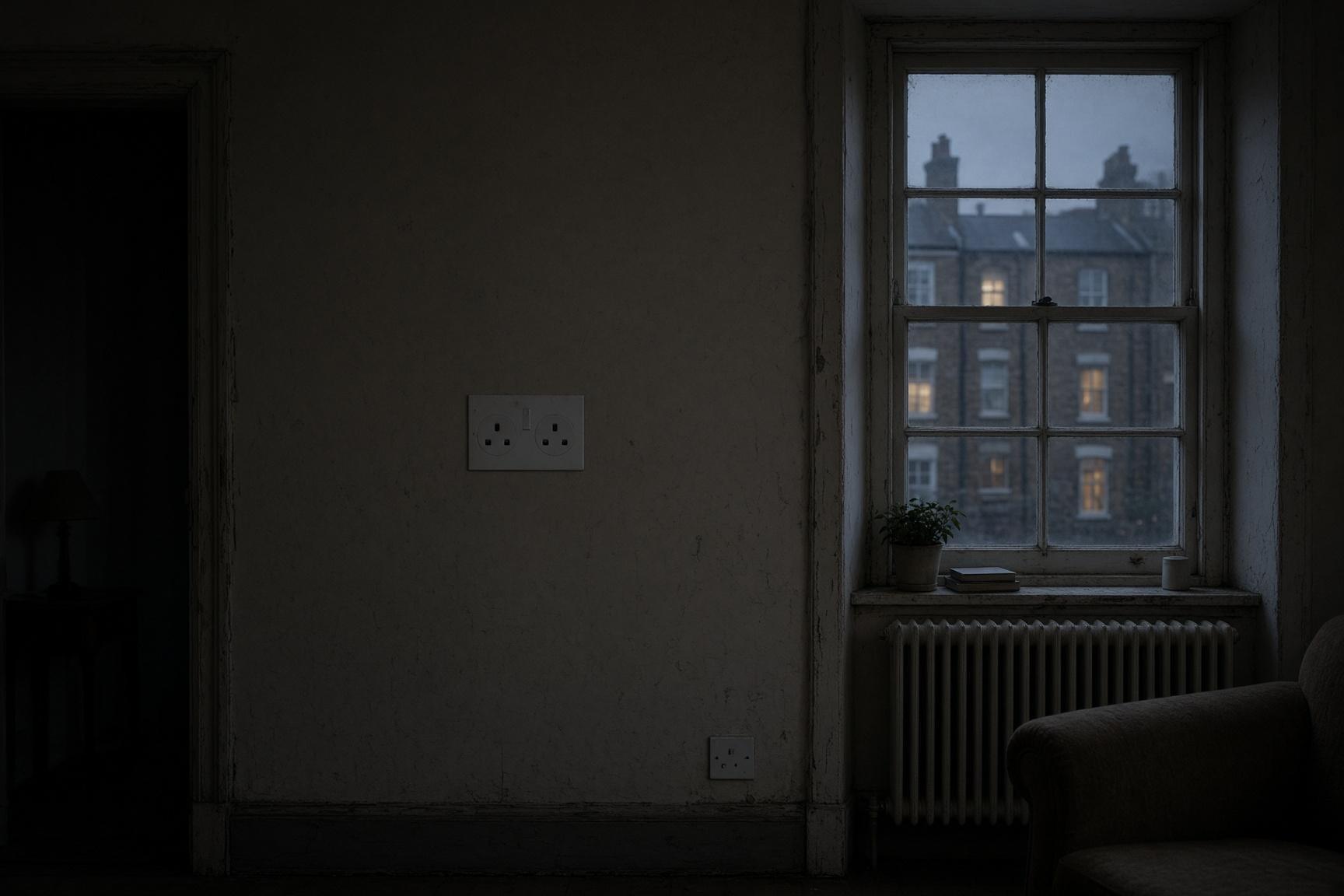
During a viewing, you can look for damaged sockets, exposed wiring, outdated fuse boxes, flickering lights and signs of overheating. These visual checks can highlight potential problems, but they cannot confirm whether the property’s electrical installation is safe. Professional inspection and testing are needed to assess hidden wiring faults and circuit protection.
Use this practical house buying electrical checklist:
- Sockets and switches: Look for cracks, loose fittings, scorch marks or discolouration.
- Lighting: Note flickering lights, damaged fittings or switches that appear defective.
- Consumer unit: Check whether the fusebox appears old, damaged or poorly maintained.
- Visible wiring: Look for exposed cables, damaged insulation or untidy alterations.
- Kitchen and bathroom electrics: Check for damaged fittings and sockets installed in potentially unsuitable locations.
- Outdoor installations: Look for damaged exterior lights, sockets and cables.
- Smoke alarms: Ask whether alarms have been tested and whether the property has suitable detection systems.
A burning smell, buzzing socket or scorch marks should be treated as a warning sign requiring professional attention.
Never remove consumer unit covers, touch exposed wiring or attempt electrical repairs during a viewing.
Is an Electrical Inspection Included in a House Survey?
A standard house survey does not usually include detailed inspection and testing of the fixed electrical installation. A surveyor may identify visible concerns or recommend further investigation, but this is different from the testing carried out by an electrician during an EICR.
A property might appear well maintained while still having hidden electrical faults.
Before purchasing, ask the seller or estate agent:
- When was the electrical installation last inspected?
- Is a recent EICR available?
- Has the property been partially or fully rewired?
- Have any consumer unit upgrades been completed?
- Are certificates available for previous electrical work?
- Have there been recurring electrical faults?
If records are missing, outdated or raise concerns, arrange an electrical inspection before committing to the purchase where possible.
What Is an EICR and Should You Get One Before Buying?
An Electrical Installation Condition Report (EICR) assesses the condition of a property’s fixed electrical installation. A competent electrician inspects and tests relevant circuits, wiring, protective devices and safety arrangements to identify deterioration, defects and potential hazards.
An EICR is particularly useful when buying an older house, a converted flat or a property with an unclear electrical history. For homeowners, an EICR is strongly recommended every 10 years.
What does an EICR inspection check?
Depending on the installation and agreed inspection scope, an electrician will assess:
- The consumer unit, fuses and circuit breakers
- Fixed electrical wiring and circuits, including dead and live testing of circuits
- Residual current device (RCD) protection
- Earthing and protective bonding
- Electrical sockets, switches and accessories
- Signs of overheating, damage or deterioration
- Electrical test results and identified safety concerns
An EICR focuses on the fixed installation rather than routine testing of portable electrical appliances. PAT testing is a separate process.
What do EICR classification codes mean?
An EICR, sometimes referred to as an electrical certificate, records observations using classification codes.
| Code | Meaning |
| C1 | Danger present; immediate action required |
| C2 | Potentially dangerous; urgent remedial action required |
| C3 | Improvement recommended |
| FI | Further investigation required without delay |
A report containing C1, C2 or FI observations is normally classified as unsatisfactory, with C1 meaning danger present and C2 meaning potentially dangerous. A C3 observation alone does not automatically make the report unsatisfactory.
An unsatisfactory EICR does not necessarily mean the house needs complete rewiring. The electrician should explain the findings and recommend appropriate remedial work.
Does an Old Fuse Box Mean the House Needs Rewiring?
An old fuse box does not automatically mean that a house needs rewiring. However, an older consumer unit may indicate that the electrical installation has not been upgraded recently. A qualified electrician can test the circuits and assess whether the consumer unit needs replacing or whether wider electrical work is necessary.
Modern consumer units generally use circuit breakers and appropriate residual current protection to help reduce the risk of electric shocks and fire.
An RCD is one of the residual current devices designed to disconnect the electricity supply rapidly when it detects certain earth leakage faults, and it is especially important on circuits serving kitchens, bathrooms, and outdoor areas. Electrical faults can increase the risk of electric shock and fire. Appropriate circuit protection, regular inspections and prompt repairs help identify potential hazards and improve electrical safety.
During a viewing, look for obvious damage or signs of overheating around the consumer unit. Do not open its cover or interfere with protective devices.
A consumer unit replacement may be appropriate if existing equipment is damaged, unsuitable or lacks protection needed for the installation. However, replacing the consumer unit does not automatically resolve faults elsewhere in the wiring.
How Can You Tell Whether a House Needs Rewiring?
Signs that a house may need rewiring include deteriorated cable insulation, damaged accessories, repeated electrical faults, faulty wiring and evidence of poorly executed alterations. However, wiring age alone does not establish whether replacement is necessary. An electrician must inspect and test the installation before recommending a partial or full rewire.
Older properties in Fulham, Chelsea, Kensington and other parts of West London may have undergone several electrical alterations over time.
Different sections of the installation may therefore be of different ages. Older homes may not support the electrical load of modern appliances and devices.
Partial rewiring versus full rewiring
A partial rewire replaces specific circuits or sections of wiring that require attention.
A full rewire replaces the property’s fixed wiring more extensively and may include new circuits, sockets, switches and consumer unit equipment.
The appropriate solution depends on the installation’s condition, test results and the homeowner’s plans.
For example, a property undergoing major refurbishment may benefit from combining necessary electrical upgrades with planned building work. This can reduce the need to disturb finished walls and ceilings later.
A professional wiring assessment helps determine whether targeted repairs, circuit upgrades or more extensive replacement are justified.
Which Electrical Certificates Should You Ask the Seller For?
Before buying a house, request available electrical inspection reports, the EICR report, installation certificates, and Building Regulations documentation to see whether the property checked has records in place. These records can help establish what electrical work has been completed, when it was carried out and whether it was inspected or tested.
Three important documents serve different purposes, and Building Regulations compliance certificates are required for notifiable domestic electrical work completed since 2005.
Electrical Installation Condition Report (EICR)
An EICR records the assessed condition of an existing electrical installation at the time of inspection, including defects and recommendations.
Electrical Installation Certificate (EIC)
An Electrical Installation Certificate is generally issued for new electrical installations and certain additions or alterations, such as installing a new circuit.
Minor Electrical Installation Works Certificate
A Minor Electrical Installation Works Certificate records qualifying minor alterations or additions to an existing installation that do not include a new circuit.
An EIC or Minor Works Certificate relates to the work covered by that document. It does not necessarily establish the condition of the entire property’s electrical installation.
Buyers should also ask about relevant Part P Building Regulations compliance documentation for notifiable domestic electrical work.
How Much Does an Electrical Inspection Cost Before Buying a House?
Several factors affect the cost of an electrical safety check or EICR. EICR costs typically range from £100 to £250, though inspections for larger properties can exceed £250. A larger house or a property with extensive alterations may require more testing than a small flat.
Factors affecting the cost of an EICR in London include:
- Property size: Larger homes generally have more circuits and accessories to inspect.
- Installation condition: Deterioration or unusual alterations may require additional investigation.
- Access: Restricted access to consumer units, rooms or electrical equipment can affect the work.
- Inspection scope: The extent of inspection and testing influences the time required.
- Additional investigation: Faults discovered during testing may require separate diagnostic work.
- Remedial repairs: Repair costs are usually assessed separately from the inspection itself.
An electrician can provide a quotation after confirming the property’s details and the required inspection.
The electrical testing time also varies with the property’s size and complexity. Ask whether the inspection involves temporary power interruptions, what access is required and when the written report will be available.
For buyers considering a property in Fulham or surrounding West London areas, TNS Electrical Solutions offers EICR inspections in London.
Who Pays for an EICR When Buying a House?
The buyer or seller may pay for an EICR depending on what is agreed during the transaction. In England, an EICR is not generally a legal requirement simply to sell an owner-occupied house, although buyers can request existing reports or commission their own inspection.
If an inspection identifies electrical issues in the property’s electrical system, you may be able to negotiate repairs or a price adjustment before exchanging contracts.
A practical approach is to:
- Obtain the EICR and review its findings.
- Ask a qualified electrician to explain any significant defects.
- Request a written quotation for necessary remedial work.
- Discuss the findings with your solicitor and the seller.
- Decide whether repairs should be completed before purchase or reflected in the agreed price.
Outdated wiring can also affect insurance terms, including higher premiums.
Avoid estimating the cost of a full rewire from the age of the house alone.
Actual costs depend on the wiring condition, property layout, number of circuits, access requirements, specification and any associated plastering or decorating.
For flats, clarify which electrical installations belong to the individual property and which are managed as communal systems.
What Electrical Checks Should You Complete Before Moving In?
Before moving into a property, check it again against the electrical inspection findings, confirm that significant hazards have been addressed and ensure you understand how the consumer unit operates. Any outstanding safety concerns should be assessed by a competent electrician before the affected installation is used.
You should also:
- Locate the consumer unit and main electrical switch.
- Confirm whether recommended repairs have been completed.
- Check the operation and suitability of smoke and heat alarms.
- Arrange professional attention for damaged sockets, switches or electrical outlets.
- Ask about the condition of outdoor electrical installations.
- Keep copies of EICRs, installation certificates and repair documentation.
These final checks can provide peace of mind before moving into a new house.
If you plan to refurbish the kitchen, bathroom or other rooms, discuss your electrical requirements before decorating.
This is particularly important when planning additional sockets, lighting circuits or high-demand electrical equipment.
Frequently Asked Questions About Electrical Checks When Buying a House
Is an EICR legally required when buying a house in England?
No. An EICR is not generally legally required for the sale of an owner-occupied house in England. Different electrical safety obligations apply to rented properties. In England, a valid EICR has been legally required for privately rented properties since July 2020. Landlords must renew it at least every five years and can face fines of up to £40,000 for non-compliance. Buyers can still request existing reports or arrange their own inspection.
Can you buy a house without an electrical safety certificate?
Yes. A house can generally be purchased without an EICR, although missing documentation may justify further enquiries. Ask your solicitor whether any specific lender or transaction requirements apply. If you plan to use the home as a rental property, however, an electrical certificate may be a legal requirement before letting it even though it is not needed to complete a standard owner-occupied purchase. Landlords must give the EICR to tenants before occupancy.
Should you get an electrician before buying an old house?
It is sensible to have a qualified electrician inspect the fixed installation when buying an older property, particularly if wiring records are unavailable, the consumer unit appears outdated or the survey identifies concerns. If needed, an electrical engineer can then review the EICR findings and explain what corrective work is required.
Can you move into a house with old wiring?
Older wiring is not automatically unsafe. Its condition, suitability and protection matter more than age alone. If serious defects have been identified, seek professional advice and address the risks before using affected circuits.
Can electrical problems affect a house purchase?
Yes. Significant electrical defects can reveal potential issues that affect repair budgets, negotiations, and whether the buyer proceeds. A written inspection report and quotation can help buyers understand the financial implications before exchanging contracts.
Arrange an Electrical Inspection Before Buying in West London
Understanding the electrical condition of a property before purchase can help you plan repairs, avoid unexpected expenditure and make a more informed decision.
At TNS Electrical Solutions, we provide electrical inspections, EICR reports and domestic electrical services for homeowners and property buyers across Fulham, Chelsea, Putney, Wandsworth, Kensington, Hammersmith and surrounding West London areas.
Whether you are buying an older house, considering a consumer unit upgrade or need advice about potential rewiring, our electricians can assess the installation and explain the next steps.
Contact TNS Electrical Solutions to discuss an electrical inspection before your property purchase.
Disclaimer: This article provides general information about electrical safety and property purchases in England. It is not a substitute for an electrical inspection, legal advice or a property-specific safety assessment. Electrical inspection, testing and repairs should be carried out by appropriately competent professionals. Consult your conveyancing solicitor about contractual and legal matters.