Quick Answer: The cost of socket installation in Fulham typically ranges from around £100 to £250 for a new socket, depending on the socket type, existing wiring, wall construction and amount of additional wiring required. Replacing an existing socket in the same position is usually cheaper, while moving a socket or installing one in a new location can cost more because of the extra labour, cabling and testing involved.
If you are budgeting for socket installation in Fulham, a straightforward new plug socket typically costs around £100–£250, although the final socket installation cost depends on the existing wiring, socket type, wall construction, location and amount of electrical work required. London prices can also be higher than UK averages, so an electrician should inspect the installation before providing an accurate quotation.
Adding an electrical socket can be a relatively small job, but there is an important difference between replacing an existing socket and installing a new socket where no electrical point currently exists. The latter may require additional wiring, alterations to the existing circuit, wall chasing, testing and making good.
At TNS Electrical Solutions, we provide electrical installation services in Fulham and across West London, including socket and switch installations, electrical repairs, rewiring and testing. This guide explains the typical costs involved and what homeowners, landlords, tenants and property managers should consider before arranging the work.
How Much Does It Cost to Install a Socket in Fulham?
A new socket installation will typically cost approximately £100–£250 per socket, based on current UK pricing guides. Straightforward work may fall towards the lower end, while installing a new electrical socket in a difficult location, running extra wiring or working with solid walls can increase the final cost. London labour rates can also make Fulham installations more expensive than the national average.
As a general 2026 guide:
| Type of socket work | Typical indicative cost |
| Replace existing socket | £65–£85 |
| Upgrade single socket to double | £75–£100 |
| Replace existing socket with USB socket | £75–£110 |
| Install socket in a new location | £120–£250 |
| Move an existing socket | Around £150 |
| Outdoor/weatherproof socket | £110–£250+ |
These figures are indicative rather than fixed prices. The actual cost of installing an electrical socket in a Fulham property depends on the condition and layout of the electrical installation.
For example, replacing an old socket in the same position may allow an electrician to reuse the existing wiring and back box. Adding a socket on the other side of a solid brick room could require considerably more cable routing and wall work.
For an accurate price, the electrician needs to understand what is already installed and what work is necessary to add the new socket safely.
What Affects Socket Installation Cost?
Existing wiring, socket type, access, wall construction and the amount of new cabling required are among the biggest factors affecting socket installation cost. A simple socket replacement can be relatively quick, while adding additional sockets to an older property may uncover electrical work that needs attention before the installation can be completed safely.
Existing wiring and circuits
The electrician will need to determine how the new socket can be connected to the existing electrical installation.
If suitable existing wiring is close to the proposed socket position, the installation process may be relatively straightforward. If additional wiring must travel a significant distance, labour and material costs can increase.
Older or deteriorated wiring may also require further assessment. Finding an electrical problem does not automatically mean a house needs rewiring, but damaged or unsuitable wiring can change the scope of the job.
Single, double, USB and smart sockets
The type of socket affects material costs.
Standard white single and double sockets are generally among the simplest options. Decorative finishes such as brushed steel can cost more, while USB charging sockets and smart sockets may have a higher purchase price.
A double socket installation can be particularly useful in bedrooms, living rooms and home offices because two appliances can be connected without relying as heavily on extension leads.
USB socket installation can provide dedicated charging connections for compatible devices, while smart sockets can form part of a wider smart home system.
Wall construction
A stud wall and a solid brick wall can require different installation methods.
Where cables need to be concealed inside a solid wall, the electrician may have to chase the wall to accommodate wiring and the socket box. That adds labour and may leave plastering or decorating work afterwards.
Before accepting a quotation, check whether wall repairs and making good are included in the final cost.
Number of sockets
Installing several sockets during the same visit can sometimes reduce the effective labour cost per socket.
The electrician is already on site and can potentially complete testing and associated work together. If you are renovating a room and expect to need extra sockets later, it can therefore make sense to discuss all the required positions at the same time.
Is Replacing a Socket Cheaper Than Installing a New One?
Yes, replacing an existing socket is usually cheaper than installing a new socket in a completely different position. A like-for-like socket replacement can often use the existing wiring and socket location, whereas adding a new electrical outlet may require extra cable, a new back box, alterations to the wall and additional electrical testing.
A socket replacement may be appropriate if an old socket has a cracked faceplate, damaged switch or another defect.
However, a faulty socket should not simply be covered with a new faceplate without considering why the fault occurred. Signs of overheating, repeated circuit breaker or RCD operation, burning smells, discolouration or damaged wiring require professional investigation.
An electrician can inspect the old socket and existing circuit to determine whether a straightforward replacement is appropriate or whether electrical repairs are needed.
How Much Does It Cost to Move an Electrical Socket?
Moving a socket typically costs around £150, although the distance between the old and new positions and the route required for the wiring can significantly affect the price. Moving a socket a short distance using accessible existing wiring is generally simpler than relocating it across a solid wall or to another part of the room.
The electrician may need to extend or reroute wiring, install a new back box and socket faceplate, safely deal with the previous socket position and test the altered circuit.
Decorating and wall repairs may be separate costs, so ask whether making good is included in the quotation.
What Happens During a New Socket Installation?
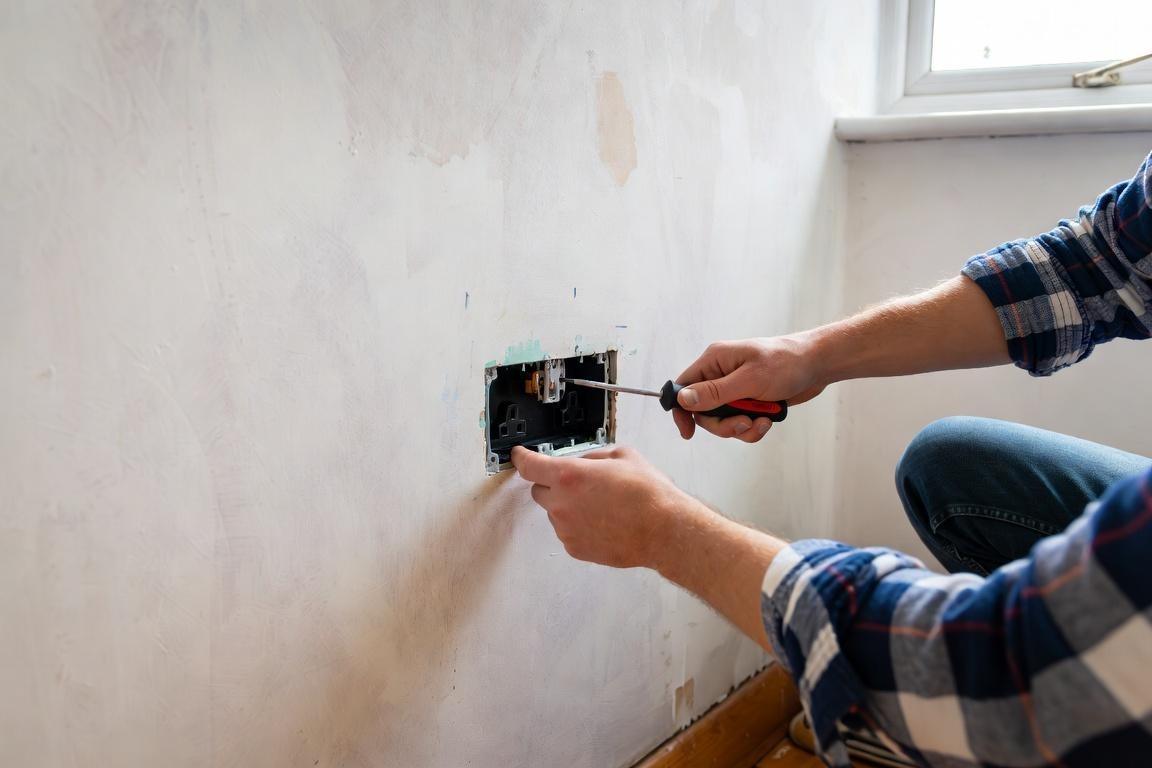
A professional socket installation normally involves assessing the existing circuit, choosing an appropriate connection method, installing the socket and any necessary wiring, then inspecting and testing the completed work. The exact installation process depends on whether the electrician is replacing an existing socket, extending an existing circuit or installing a new circuit.
For a new plug socket, the process may include:
- Assessing the proposed socket position and existing circuit.
- Safely isolating the relevant electrical supply.
- Checking the existing wiring and protective devices.
- Installing the back box, cable and socket.
- Completing the required electrical connections.
- Inspecting and testing the work.
- Providing appropriate certification where applicable.
If the electrician discovers damaged wiring or another electrical fault during the work, this should be addressed before the socket is put into service.
TNS Electrical Solutions describes its electrical installation process as beginning with assessment and quotation, followed by installation, testing, certification and handover.
How Long Does Installing a New Socket Take?
A straightforward socket installation can often be completed in around one to two hours, but more complex work can take longer. The installation time increases where cables must be routed over longer distances, solid walls need chasing, access is restricted or faults with the existing electrical installation need to be investigated.
Replacing a socket in the same position will generally be quicker than adding sockets to a room where suitable wiring is not immediately accessible.
Multiple sockets can also take several hours or form part of a larger electrical installation project.
If you are planning other renovation work, discussing socket positions before plastering and decorating can help avoid unnecessary disruption later.
Does Socket Installation Need a Qualified Electrician?
Electrical socket installation should be carried out by someone with the knowledge and skills required to complete, inspect and test the work safely. Electrical installation work in UK homes is subject to safety requirements, including BS 7671 and, in England, Part P of the Building Regulations.
BS 7671 covers the requirements for electrical installations, including additions and alterations to existing installations. Current guidance also requires socket outlets in dwellings to have appropriate RCD protection, subject to the applicable requirements.
Part P requires electrical installation work in homes in England and Wales to be designed and installed so that people are protected from fire and electric shock.
Not every socket alteration is necessarily notifiable work under Building Regulations, but that does not remove the requirement for the electrical work itself to be safe and compliant.
For this reason, installing plug sockets is different from simply mounting a non-electrical fitting to a wall. The circuit must be correctly connected, protected, inspected and tested.
Can I Add More Sockets to an Older Fulham Property?
Additional sockets can often be installed in older properties, but the existing electrical installation should first be assessed to make sure it is suitable for the proposed alteration. Older wiring does not automatically require a full or partial rewire, although its condition, circuit design and protective devices can affect how additional sockets should be installed.
This can be particularly relevant when modernising older homes where the number and position of plug sockets no longer suit how the rooms are used.
Repeated use of extension leads is often a sign that the existing socket layout does not meet the practical needs of the household. Additional sockets can provide more convenient permanent connection points when they are correctly designed and installed.
The electrician should also check relevant circuit protection. Modern socket circuits generally require 30 mA RCD protection under BS 7671 requirements.
If testing identifies defects elsewhere in the circuit, electrical repairs or other remedial work may be recommended before additional sockets are installed.
Is It Cheaper to Install Multiple Sockets at Once?
Installing multiple sockets during the same visit can be more economical than arranging separate appointments because some travel, setup and testing costs can be shared across the work. The saving depends on the socket locations, existing circuit and amount of additional wiring required, so the lowest cost per socket is not guaranteed.
If you are refurbishing a kitchen, bedroom, living area or home office, plan where appliances and furniture will sit before choosing socket positions.
Electrical Safety First guidance recommends that socket outlets should be distributed appropriately around rooms while considering furniture, electrical equipment and potential future changes in use.
Planning can help avoid putting sockets behind immovable furniture or discovering immediately after decorating that another power point is required.
How Can I Keep the Cost of Socket Installation Under Control?
The best way to control socket installation costs is to plan several electrical jobs together, choose socket positions carefully and obtain a clear quotation before work begins. Avoid choosing an installation method purely because it is cheapest if it compromises the practical layout or requires unnecessary changes later.
Before accepting a quote, ask whether it includes:
- Labour and call-out charges
- Socket faceplates and back boxes
- Additional wiring and other materials
- Electrical testing
- Appropriate certification
- VAT
- Wall chasing
- Making good after installation
- Parking or other location-specific charges
Grouping several sockets or other small electrical jobs into the same visit may save money where a minimum charge or call-out fee would otherwise apply repeatedly.
A clear quotation also helps prevent confusion about hidden costs after the work has started.
Choosing an Electrician for Socket Installation in Fulham
Look for a qualified, registered electrician who can assess the existing installation, explain the proposed work and confirm how it will comply with current electrical-safety requirements. Price matters, but electrical installation work also needs to be correctly designed, connected, inspected and tested.
TNS Electrical Solutions is based in Fulham and provides electrical installation services for residential and commercial properties across Fulham and West London. Its Fulham electrical installation service includes socket and switch installations, new circuits, rewiring, testing and certification.
TNS also states that its electricians are NICEIC approved and that its installation work follows BS 7671 requirements.
If you need a single socket replacement, additional double sockets, a USB charging socket or sockets repositioned during a refurbishment, the first step is to establish the condition of the existing circuit and the exact work required.
Get a Quote for Socket Installation in Fulham
The cost of socket installation in Fulham ultimately depends on what is being installed and what electrical work is required behind the socket.
Replacing an existing plug socket can be relatively inexpensive, while installing a brand-new socket position may require additional wiring, wall chasing and more extensive testing. Older wiring, difficult access and changes to the existing circuit can also increase the final cost.
TNS Electrical Solutions provides electrical installation and electrical repair services from its Fulham base, serving customers across Fulham and wider West London.
If you are considering adding, replacing or moving sockets, arrange an assessment and request an itemised quotation so you know what the installation, materials, testing and any associated work will cost before work begins.
Electrical safety disclaimer: This article provides general information only and is not a substitute for an inspection or advice from a competent electrician. Electrical installations vary between properties. Do not undertake fixed electrical wiring work unless you have the appropriate competence to do so safely and in accordance with applicable regulations.